

The uefa women’s champions league is the highest level of women’s club football in Europe and represents the pinnacle of competition for elite women’s teams. Organized annually by UEFA, this prestigious tournament brings together the champions and top-performing clubs from domestic leagues across Europe. Over the years, the competition has grown tremendously in popularity, attracting millions of viewers worldwide and showcasing the incredible talent of female footballers.
The tournament is not just about winning silverware; it also provides clubs with international recognition, financial opportunities, and a platform to inspire future generations of players. From thrilling knockout matches to unforgettable finals, every season offers dramatic moments that keep football fans entertained. As investment in women’s football continues to rise, the competition has become stronger, faster, and more competitive than ever before. Whether you’re a long-time supporter or a new fan, understanding the tournament’s structure, history, and significance helps you appreciate why it is regarded as Europe’s most prestigious women’s club competition.
History of the UEFA Women’s Champions League
The journey of the uefa women’s champions league began in the 2001–02 season when it was introduced as the UEFA Women’s Cup. The competition was created to provide Europe’s top women’s clubs with an international platform similar to the men’s Champions League. Initially featuring only domestic league champions, the tournament quickly gained popularity thanks to its competitive matches and growing media attention.
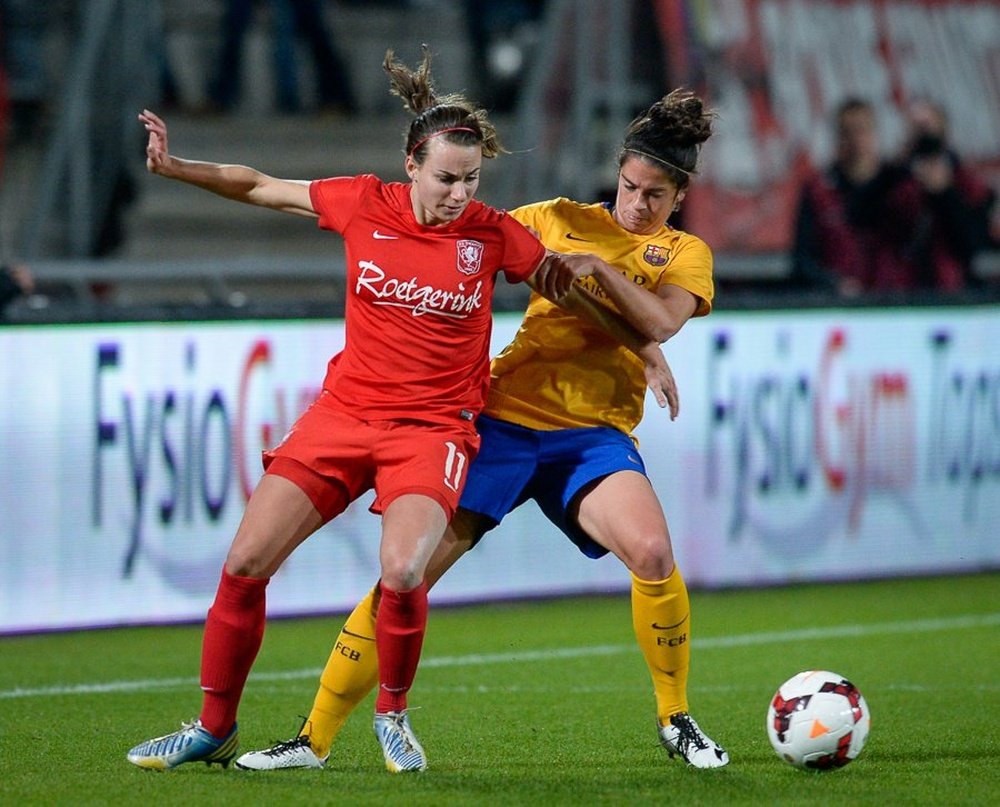
In 2009, UEFA rebranded the tournament as the UEFA Women’s Champions League, introducing a new format that allowed runners-up from Europe’s strongest leagues to participate. This change significantly increased the quality of competition and made the tournament even more exciting.
Throughout its history, several clubs have dominated different eras, establishing remarkable winning streaks while raising the overall standard of women’s football. Increased sponsorship, television coverage, and fan engagement have transformed the competition into one of the most anticipated events in the football calendar.
How the Tournament Format Works
The uefa women’s champions league follows a structured format that ensures only the strongest clubs advance to the later stages. Teams qualify based on their domestic league performances, with the highest-ranked European associations receiving multiple qualification spots.
The competition generally consists of:
- Qualification rounds
- League phase or group stage
- Knockout rounds
- Quarter-finals
- Semi-finals
- Grand Final
Each stage tests a club’s consistency, tactical ability, squad depth, and mental strength. The knockout rounds feature home-and-away matches, while the final is played at a neutral venue selected by UEFA.
This format guarantees exciting fixtures between Europe’s elite clubs while giving emerging teams opportunities to challenge established giants. Every season delivers dramatic comebacks, memorable goals, and outstanding performances that attract global audiences.
Top Clubs That Have Dominated the Competition
Several clubs have built legendary reputations in the uefa women’s champions league through years of consistent success.
| Club | Country | Notable Achievement |
|---|---|---|
| Lyon | France | Multiple European titles |
| Barcelona | Spain | Recent European powerhouse |
| Wolfsburg | Germany | Regular title contender |
| Chelsea | England | Consistent knockout performer |
| Arsenal | England | Historic European champion |
| Bayern Munich | Germany | Strong recent performances |
These clubs have invested heavily in women’s football by developing youth academies, improving facilities, and recruiting world-class players. Their success has inspired other clubs across Europe to strengthen their women’s programs.
Competition among these elite teams has made every season increasingly unpredictable, ensuring fans enjoy high-quality football throughout the tournament.
Why the Competition Is So Popular
Women’s football has experienced tremendous growth over the past decade, and the uefa women’s champions league has played a major role in that development.
Several factors contribute to its popularity:
- High-quality football
- Competitive balance
- World-class players
- Increased television coverage
- Growing fan attendance
- Improved club investment
- Professional coaching standards
Fans appreciate the passion, teamwork, and technical quality displayed throughout the tournament. Social media has also helped clubs connect with supporters globally, making matches more accessible than ever before.
As audiences continue to grow, sponsorship deals and broadcasting agreements have increased, allowing clubs to further invest in player development and infrastructure.
Legendary Players Who Shaped the Tournament
The history of the competition has been defined by many exceptional footballers whose performances elevated the game to new heights.
Players known for outstanding goalscoring ability, leadership, creativity, and defensive excellence have become icons of European football. Their memorable performances in finals, dramatic knockout matches, and title-winning campaigns have inspired millions of young girls to pursue football professionally.

Modern stars continue to push the standards even higher with remarkable athleticism, tactical intelligence, and technical skills. Every season introduces exciting new talents who dream of lifting Europe’s most prestigious women’s club trophy.
The tournament has become an ideal platform where emerging players can showcase their abilities against the continent’s strongest opponents.
Impact on Women’s Football Across Europe
The influence of the uefa women’s champions league extends well beyond the football pitch. The tournament has encouraged clubs, federations, and sponsors to invest more heavily in women’s football.
Some of its biggest contributions include:
- Better youth development systems
- Increased professional contracts
- Higher coaching standards
- Greater media exposure
- Improved stadium attendance
- Enhanced player development
- Stronger domestic leagues
As clubs compete internationally, they also improve their domestic competitions by raising playing standards. Young athletes now have clearer career pathways than ever before, making professional football a realistic dream.
This positive cycle continues to strengthen women’s football throughout Europe while inspiring similar developments around the world.
The Importance of Youth Development
Successful clubs understand that long-term success depends on developing talented young players. Many leading teams competing in the uefa women’s champions league operate elite academies focused on technical ability, tactical understanding, physical conditioning, and personal development.
Young players receive professional coaching from an early age, allowing them to transition smoothly into senior football. Clubs also emphasize education, nutrition, sports science, and mental preparation to create complete athletes.
Several current international stars first gained recognition through youth academies before becoming key players in Europe’s biggest matches. This emphasis on development ensures the tournament continues producing world-class footballers for future generations.
Investment in youth programs remains one of the biggest reasons why European women’s football continues improving every season.
Future of the UEFA Women’s Champions League
The future looks incredibly bright for the competition as interest in women’s football continues to expand worldwide.
Several developments are expected in the coming years:
- Larger global audiences
- Increased commercial partnerships
- Higher player salaries
- Improved broadcasting quality
- Continued investment by major clubs
- Expanded youth programs
- Greater international recognition
Technology, analytics, sports science, and enhanced fan experiences are also shaping the future of elite women’s football. More clubs are building dedicated women’s facilities while attracting experienced coaching staff and international talent.
With growing investment from football organizations and commercial partners, the tournament is expected to reach even greater heights over the next decade.
What Makes the Tournament Unique
Unlike many competitions, the uefa women’s champions league combines technical excellence, tactical innovation, and remarkable competitive spirit. Clubs from different football cultures bring unique playing styles that create fascinating tactical battles throughout every stage.
Fans enjoy watching attacking football, disciplined defending, creative midfield play, and dramatic finishes. The competition also highlights teamwork and determination, qualities that have become defining characteristics of women’s football.
Every season introduces new rivalries while preserving the rich traditions established over more than two decades of European competition. These factors make the tournament one of the most respected championships in world football.
Conclusion
The uefa women’s champions league has evolved into the most prestigious women’s club football competition in Europe. From its early beginnings to becoming a global sporting event, it has transformed the landscape of women’s football by providing elite players with an international stage to showcase their talent. The tournament continues to grow through increased investment, stronger clubs, expanding fan support, and improved competition formats. Legendary teams and outstanding players have built a rich history filled with unforgettable matches, inspiring future generations across the world.
