

Introduction
In India, cricket is more than just a game played on fields with bats and balls. It is a feeling that is highly important to daily living, interactions, and the sense of being a citizen of a country. The sound of leather hitting willow may be heard in small villages and big cities alike, and it has been heard for generations. India cricket has grown thanks to its strong players, dedicated fans, and the fact that they approach the game like a celebration. This article tells the story of cricket in India in a precise and organized way, covering its history, cultural effect, successes, and future orientation.
The Beginning and the Impact of Colonialism
Cricket has its roots in the time when the British ruled India. British seamen and officials brought the game to the world in the 1700s. At first, it was only played in wealthy clubs and schools. As time went on, Indian villages made cricket their own by organizing local teams and events. The creation of local tournaments let regional talent grow and set the stage for a national cricket framework. At this point, cricket in India went from being a foreign sport to a symbol of togetherness and desire.
Cricket as a Way to Build a National Identity
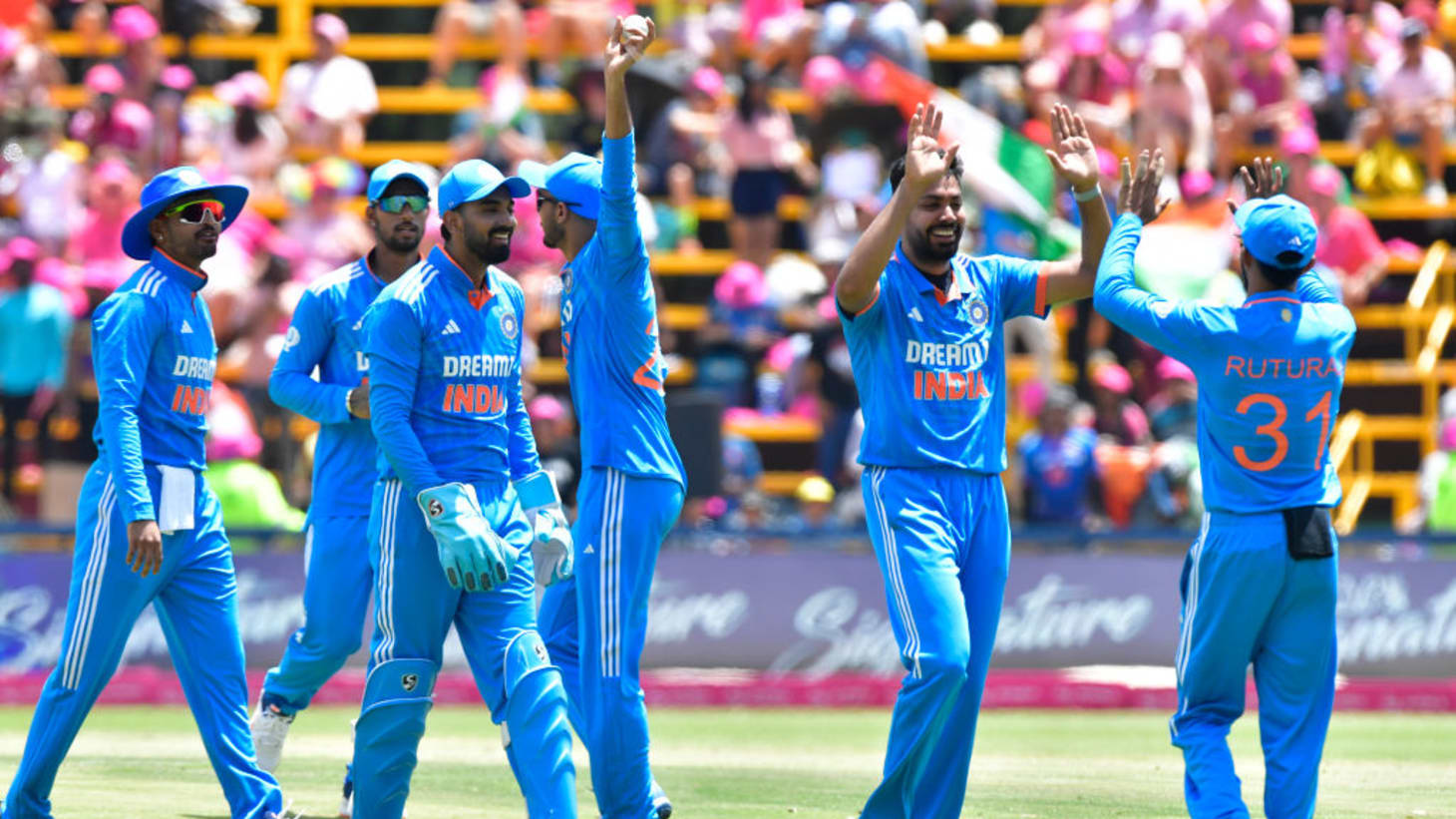
India’s first game in international cricket was a big deal. The first performances weren’t very good, but just being a part of them made people proud. The players were more than just skilled; they were also a country trying to get noticed on the world stage. Over time, cricket became a way for India to show its might and confidence. As stadiums filled up and radio broadcasts reached millions of people, cricket in India became a national event instead of just a niche sport.
Important Events and Milestones in History
Indian cricket became a global force after a number of important events. Winning against well-known teams shook up long-standing power structures. Winning the Breakthrough series internationally showed that you can adapt and be strong mentally. One of the most important times was when leaders stressed faith and working together. These accomplishments changed how people thought and inspired subsequent generations to aim high. Every milestone made India’s cricket stronger as a competitive and respected sport around the world.
Changes in Styles and Techniques of Play
Playing style in Indian cricket has changed a lot throughout the years. Because of how the pitches were, early teams depended a lot on defensive strategies and spin bowling. Over time, playing in international competitions taught players how to bat aggressively, bowl quickly, and field at a higher level. This change was made possible by modern training methods and sports science. Today, Indian cricket is a healthy mix of technical discipline and brave new ideas.
Famous Players Who Changed the Game
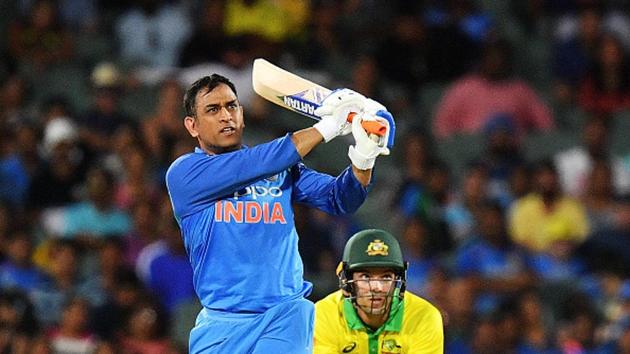
Indian cricket has had famous players throughout history whose impact went beyond numbers. Millions of people were impressed by these players’ discipline, leadership, and constancy. When they were under pressure, their performances taught them how to be calm and composed. Every period brought new heroes who kept the legacy alive and raised the bar. The presence of these legends made the emotional connection between fans and Indian cricket even stronger.
Structure at Home and Developing Talent
India’s cricketing success has been built on a solid domestic framework. Players could improve their talents and get more exposure by playing in regional events. Selection procedures got better over time, making sure that progress was based on merit. Youth programs and coaching academies helped young people develop their skills. This methodical technique kept Indian cricket competitive by always bringing in new players.
The Importance of Infrastructure and Training Facilities
Modern cricket needs high-tech infrastructure. India spent a lot of money on improving stadiums, training centers, and fitness centers. Having access to technology like video analysis and performance tracking made people better prepared. These changes made it possible for players to focus on getting better and healing. Infrastructure improvements were very important in bringing Indian cricket up to international standards.
Impact of Limited Overs and New Formats
There were big changes when limited-overs cricket was introduced. Shorter forms required people to make decisions quickly and be able to change. Indian players took on these obstacles and came up with new shots and ways to play. Domestic leagues were like leagues around the world, getting players ready for high-pressure circumstances. India’s success in these formats showed that it could change with the game as it changed.
Table 1: Indian Cricket’s Most Important International Accomplishments
| Format | Key Achievements | Impact on Global Cricket |
|---|---|---|
| Test Cricket | Overseas series victories and consistent rankings | Established long-format credibility |
| One Day Internationals | Tournament wins and record chases | Strengthened dominance in limited overs |
| T20 Cricket | Global tournament success and league influence | Popularized aggressive modern play |
Fan Culture and a Lot of Followers

There is no other sport that Indians love as much as cricket. Millions of people watch matches on TV and online. Fans keep a tight eye on athletes’ careers, cheering wins and sharing their sadness when they lose. Street cricket, school tournaments, and community matches show how much people love the game. The emotional bond between fans and Indian cricket keeps the sport growing.
The growth of media, broadcasting, and the internet
The growth of media changed how people in India watch cricket. Live broadcasts, expert commentary, and internet interaction made for immersive experiences. Fans could talk to athletes and share their thoughts right away on social media. This made the game more open and interesting to people. Media coverage made India cricket more popular, making it a part of everyday life.
Effects on the Economy and Job Creation
Cricket is a big part of the Indian economy. The business supports a lot of jobs, from running stadiums to selling merchandise and broadcasting games. Sponsorships and endorsements help both players and administrators be financially stable. More money is also good for grassroots projects. The business ecology around Indian cricket shows that it is more than just a sport.
Problems We’ve Had Over the Years
Indian cricket has had problems even if it has been successful. Managing player workloads, injuries, and performance pressure all need to be done with care. It’s still a job to find a balance between tradition and innovation. Being in charge of administration means being open and responsible. Taking care of these problems would help Indian cricket evolve in a way that lasts in a competitive world.
Women’s Cricket & Making It More Inclusive
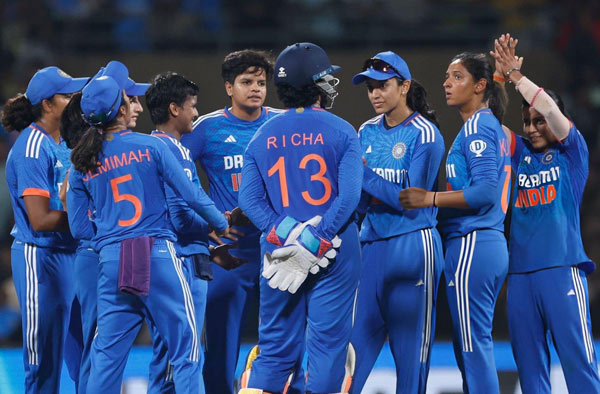
Consistent performances have made women’s cricket in India more well-known and respected. More visibility made people want to get involved at the grassroots level. Infrastructure and training possibilities grew, which helped people learn new skills. The growth of women’s teams made the sport more welcoming and diverse. This progress is a very important part of the story of Indian cricket.
Table 2: Important Parts That Help Indian Cricket Grow
| Pillar | Contribution | Long-Term Benefit |
|---|---|---|
| Domestic Competitions | Talent identification and experience | Sustainable player pipeline |
| Infrastructure | Training and recovery facilities | Enhanced performance standards |
| Fan Engagement | Mass support and visibility | Global influence and popularity |
The Role of Leadership and Team Culture
Leadership has always been a key factor in cricket success. Discipline and setting an example are how captains and older players influence the culture of a team. Strategic planning and communication help people work together and stay strong. People can work with confidence when they are part of a strong team. India cricket will continue to be successful as long as there is good leadership.
Combining Technology and Analytics
Technology is becoming a necessary part of modern cricket. Data analytics help you look at your opponent and judge their performance. Wearable devices keep track of your fitness and workload. Making decisions is easier when you have precise information and plans based on facts. Technology is still improving how Indian cricketers get ready for games.
Global Impact and Future Prospects
India’s impact on cricket around the world is getting bigger. Hosting big tournaments and taking part in policy talks are two ways to show leadership. New players bring new energy and the ability to adapt. The future looks bright, with new ideas, diversity, and continued excellence. India cricket is in a good place to shape the next era of the sport since it has a strong base.
Conclusion: A Legacy That Lives On
Cricket in India is more than just a sport. It stands for hope, togetherness, and pride in one’s culture. The journey shows perseverance and growth, from small beginnings to world fame. Every generation leaves behind a legacy that inspires millions. India cricket is still a strong symbol of passion, strength, and national identity as the sport grows and changes.
Read More:- Virat Kohli Retirement From Test Cricket: Legacy, Impact, Future
