

Introduction
Cricket in India is more than a sport; it is an emotion deeply woven into the country’s social and cultural fabric. Among all cricketing events, the World Cup stands as the most celebrated and emotionally charged tournament. The story of the india cricket world cup journey reflects determination, heartbreak, resurgence, and moments that shaped generations of fans. From humble beginnings to becoming one of the strongest cricketing nations, India’s World Cup history is filled with unforgettable memories that continue to inspire millions.
The India cricket team’s relationship with the World Cup has evolved dramatically over decades. Early years were marked by limited resources and global dominance by other teams, but gradual improvement led to historic breakthroughs. Over time, India transformed into a powerhouse, producing legendary players, iconic victories, and unforgettable tournaments. Understanding the india cricket world cup journey means understanding how Indian cricket itself evolved into a global force.
The Early Years of India in the Cricket World Cup
When the Cricket World Cup was first introduced in 1975, India entered the tournament as underdogs. Cricket infrastructure in the country was still developing, and the team lacked international exposure compared to England, Australia, or the West Indies. The early World Cup appearances were challenging, and wins were rare, but these tournaments laid the foundation for future success.
India’s initial performances did not reflect its potential, yet they provided valuable experience. Players learned to adapt to foreign conditions, pressure situations, and evolving formats of the game. Though the results were modest, the early india cricket world cup campaigns were crucial in shaping the mindset that success was possible on the world stage.
The Historic 1983 World Cup Triumph
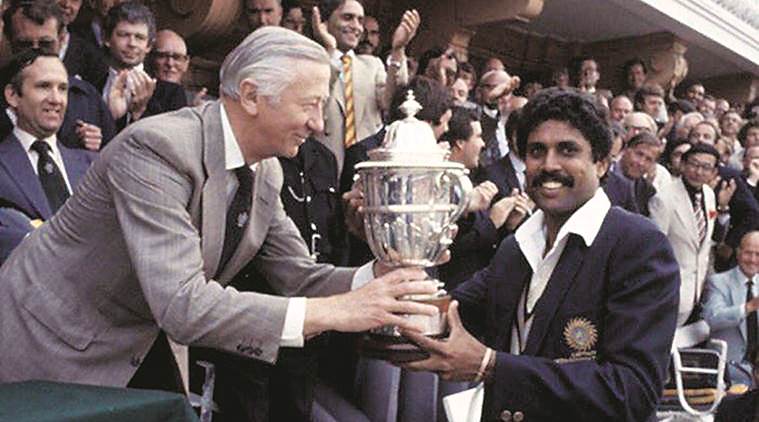
The 1983 World Cup stands as the most transformative chapter in Indian cricket history. Led by Kapil Dev, the Indian team entered the tournament without high expectations. However, what followed changed Indian cricket forever. India defeated some of the strongest teams and reached the final against the dominant West Indies.
The final at Lord’s became legendary. India’s disciplined bowling and fearless batting resulted in a historic victory that stunned the cricketing world. This triumph ignited a nationwide cricket revolution, inspiring millions of young players and fans. The 1983 victory remains a defining moment in the india cricket world cup legacy, symbolizing belief, unity, and the power of teamwork.
Growth and Challenges in the Post-1983 Era
After the 1983 success, expectations from the Indian team increased dramatically. The following World Cups brought both promise and disappointment. While India showcased moments of brilliance, consistency remained elusive. The pressure of expectations sometimes weighed heavily on players, resulting in early exits from several tournaments.
Despite the challenges, this period was significant for player development. Emerging talents gained experience, and Indian cricket began professionalizing its structure. The lessons learned during these years played an essential role in shaping future strategies for the india cricket world cup campaigns.
The 1996 World Cup and the Rise of New Heroes

The 1996 Cricket World Cup, co-hosted by India, Sri Lanka, and Pakistan, marked another crucial milestone. Indian fans witnessed electrifying performances from emerging stars, particularly Sachin Tendulkar, whose batting brilliance captivated the nation. Stadiums were packed, and the tournament created unforgettable moments.
Although India did not win the tournament, the 1996 World Cup strengthened the emotional connection between the team and its supporters. It also signaled a generational shift, as young players emerged ready to carry the legacy forward. This era added depth and excitement to the india cricket world cup narrative.
India’s World Cup Performance Overview
The overall performance of India across different World Cups highlights growth, resilience, and adaptability. Below is a summary table showcasing India’s journey across selected tournaments.
| World Cup Year | Host Country | India’s Final Position |
|---|---|---|
| 1975 | England | Group Stage |
| 1983 | England | Champions |
| 1996 | India & Others | Semi-Finals |
| 2003 | South Africa | Runners-up |
| 2011 | India | Champions |
This table reflects how India evolved from early struggles to consistent contenders. Each tournament contributed uniquely to the india cricket world cup story.
The 2003 World Cup and Heartbreaking Near Miss
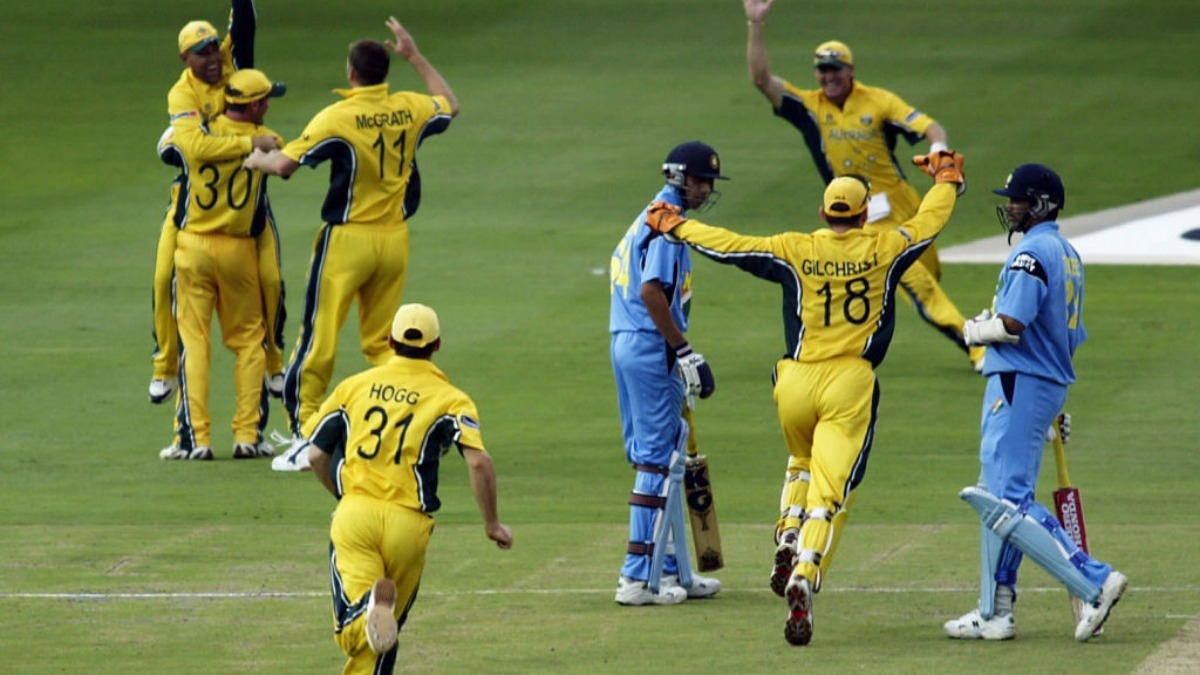
The 2003 World Cup was a tournament of dominance and disappointment for India. Under the leadership of Sourav Ganguly, India displayed remarkable consistency and powerful performances throughout the competition. The team reached the final with strong momentum, defeating several top teams along the way.
However, the final against Australia proved challenging. Despite a spirited campaign, India fell short, finishing as runners-up. While the defeat was painful, the 2003 campaign demonstrated India’s ability to dominate on the global stage. It reinforced the belief that future india cricket world cup victories were within reach.
The Golden Glory of the 2011 World Cup
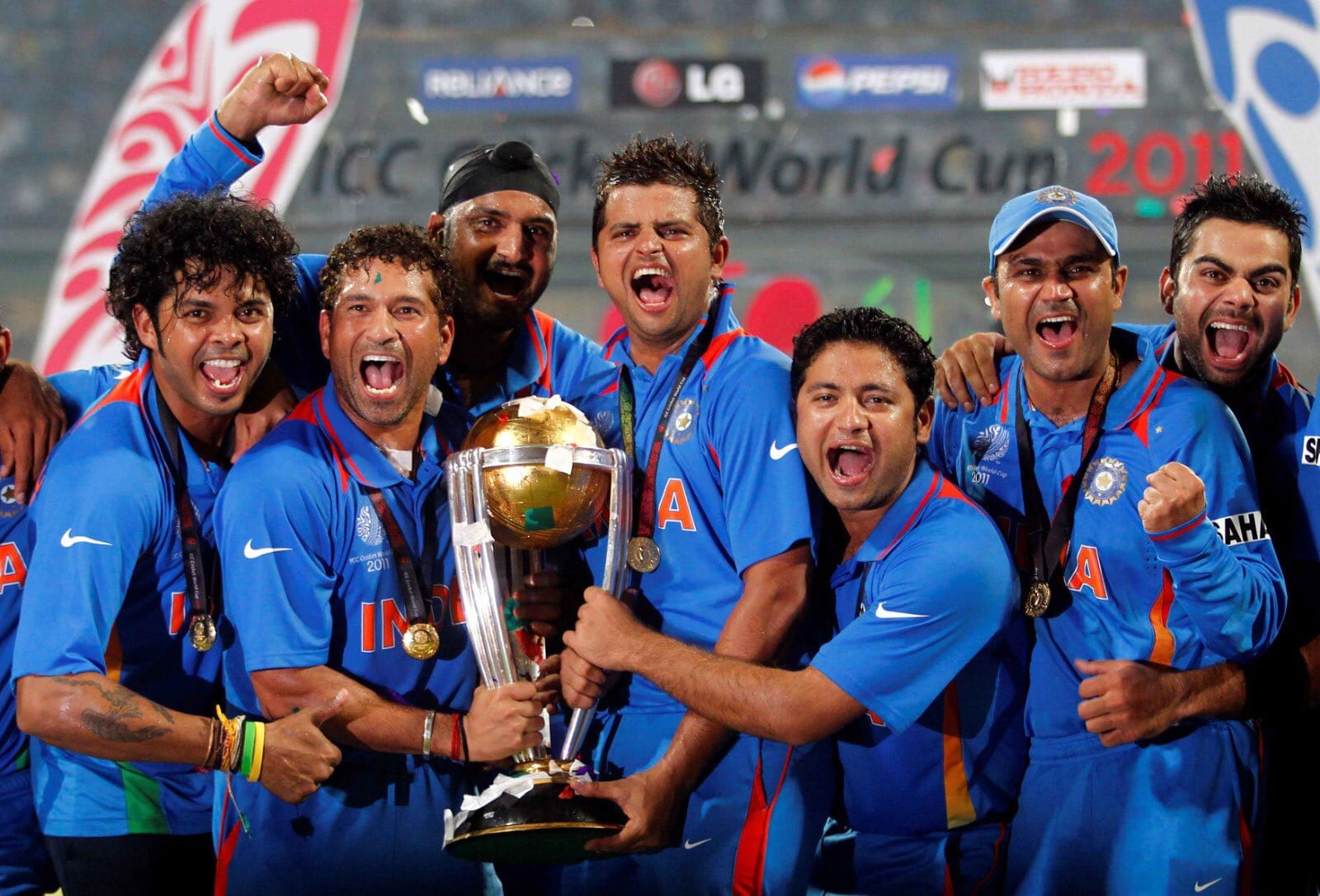
The 2011 Cricket World Cup is widely regarded as one of the greatest moments in Indian sporting history. Hosted in India, the tournament carried immense expectations. Led by MS Dhoni, the team combined experience with youthful energy to produce outstanding performances.
India’s journey to the final included memorable victories and exceptional individual contributions. The final match, played in Mumbai, ended with India lifting the trophy after 28 years. The iconic winning shot symbolized the fulfillment of a nation’s dream. This victory elevated the india cricket world cup legacy to legendary status and united fans across generations.
Legendary Players Who Defined India’s World Cup History
India’s World Cup success is inseparable from the contributions of legendary players. From Kapil Dev’s inspirational leadership to Sachin Tendulkar’s unmatched consistency, each era produced icons who shaped the team’s destiny. These players not only delivered results but also inspired future generations.
Other stars like MS Dhoni, Rahul Dravid, and Yuvraj Singh played pivotal roles in crucial tournaments. Their performances under pressure highlighted the mental strength required for World Cup success. Together, these legends form the backbone of the india cricket world cup heritage.
Iconic World Cup Performances by Indian Players
Certain individual performances remain etched in cricketing memory. These moments often changed the course of matches and tournaments. The table below highlights some unforgettable individual achievements.
| Player Name | World Cup Year | Notable Performance |
|---|---|---|
| Kapil Dev | 1983 | Historic all-round leadership |
| Sachin Tendulkar | 2003 | Tournament leading run-scorer |
| Yuvraj Singh | 2011 | Match-winning all-round displays |
| MS Dhoni | 2011 | Final match-winning innings |
These performances played a defining role in strengthening the india cricket world cup legacy.
The Emotional Bond Between Fans and the World Cup
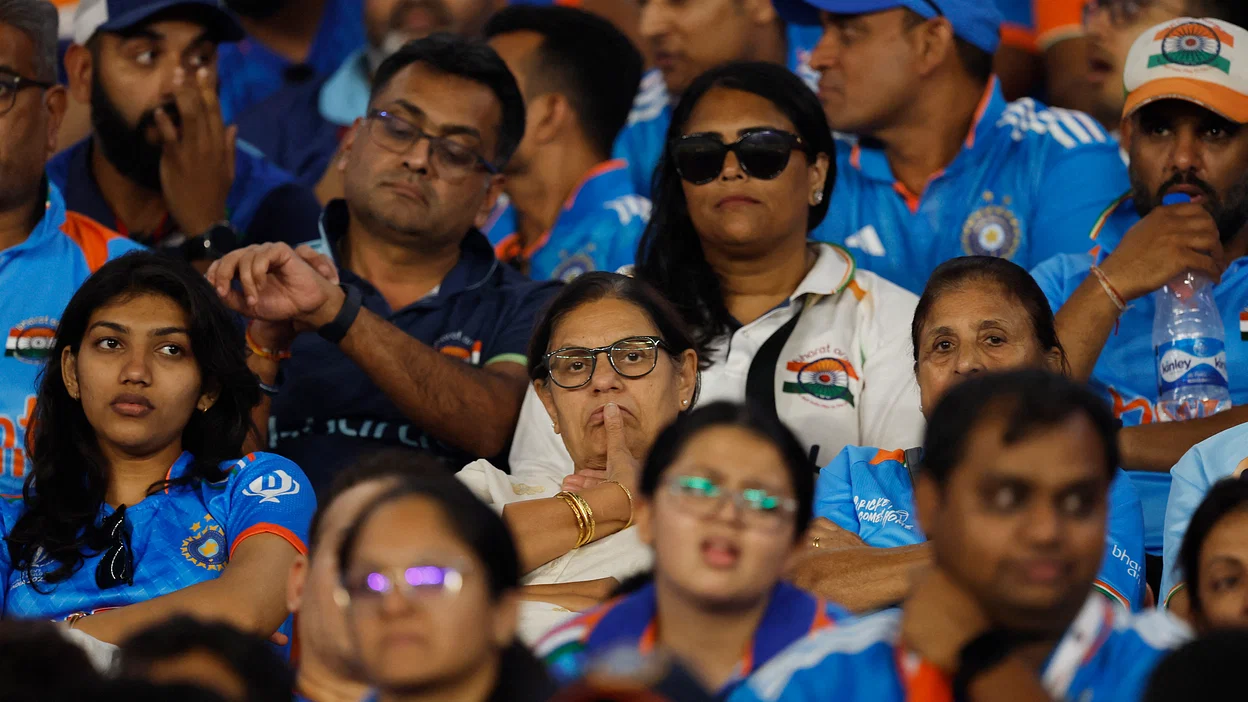
The World Cup evokes unparalleled emotions among Indian fans. Streets fall silent during matches, families gather around screens, and celebrations erupt with every victory. This emotional bond transforms players into heroes and moments into lifelong memories.
The india cricket world cup is not just about trophies; it is about shared experiences that unite people across regions, languages, and generations. Every tournament renews hope and reinforces the emotional connection between the team and its supporters.
Modern Era and India’s World Cup Consistency
In recent years, India has emerged as one of the most consistent teams in World Cup tournaments. Advanced training methods, strong domestic structures, and strategic planning have enhanced performance. Even when titles are not secured, India often reaches advanced stages, reflecting depth and balance.
This consistency underscores the evolution of Indian cricket into a professional and competitive force. The modern approach ensures that every india cricket world cup campaign begins with genuine title aspirations.
Challenges and Lessons from World Cup Campaigns
Despite success, India has faced setbacks that provided valuable lessons. Pressure management, adaptability to conditions, and handling high-stakes matches remain ongoing challenges. Each defeat contributed to learning and growth, strengthening future preparations.
Understanding these challenges offers insight into the complexity of World Cup cricket. The india cricket world cup journey illustrates how setbacks often pave the way for greater resilience and success.
The Future of India in Cricket World Cups
Looking ahead, the future appears promising. A new generation of talented players continues to emerge, supported by strong domestic leagues and advanced coaching. The emphasis on fitness, mental conditioning, and strategic planning positions India well for upcoming tournaments.
As expectations remain high, the focus will be on converting consistency into championships. The evolving story of the india cricket world cup will undoubtedly include new heroes, memorable matches, and historic milestones.
Conclusion: The Enduring Legacy of India Cricket World Cup
The story of the india cricket world cup is one of transformation, perseverance, and triumph. From early struggles to global dominance, India’s journey reflects the spirit of a nation that believes in resilience and unity. Each World Cup added a new chapter, shaping cricket culture and inspiring generations.
As future tournaments unfold, the legacy continues to grow. The india cricket world cup remains a symbol of hope, pride, and the enduring love of cricket in India. With passion in the stands and determination on the field, India’s World Cup journey is far from over.
Read More:- India Cricket History, Growth, Legends, Formats and Future Vision
