

Introduction
The ICC T20 World Cup is one of the most important cricket events in the world. It combines speed, strategy, and fun into a format that fans all over the world love. The tournament reached new heights in 2024, not just in terms of size and structure, but also in terms of how it affected the game’s culture and business. The ICC T20 World Cup 2024 was a great mix of old and new, showing how the shortest format has become a key part of international competition as cricket continues to change.
The ICC T20 World Cup’s Growth
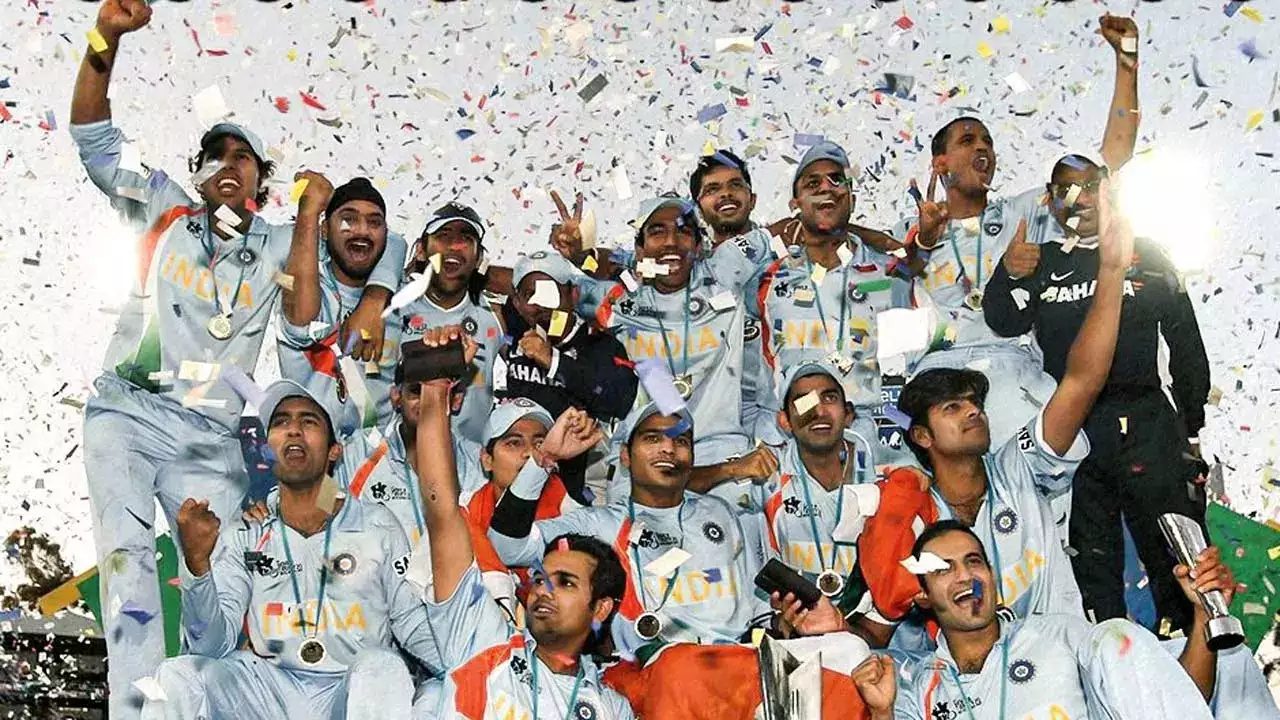
The ICC T20 World Cup has changed the way people play and watch cricket since it started in 2007. The format was made to appeal to younger people and people who live fast-paced lives, and it has done better than anyone could have hoped for. By 2024, the competition had become a worldwide event, drawing viewers from both traditional cricketing countries and new areas.
The ICC T20 World Cup has changed over time, much like cricket as a whole has become more flexible and fun. Shorter games, changing player roles, and aggressive techniques have all become important parts of the game. The 2024 edition built on this evolution by focusing on inclusivity, more team participation, and new scheduling that reached the most people throughout the world.
Countries that host events and grow Throughout the world in 2024
One of the most important things about the 2024 tournament was that it helped cricket grow over the world. Regions that represented cricket’s desire to go beyond its historical borders shared the duties of hosting. This strategic choice helped the ICC’s goal of making cricket a truly global sport.
The ICC T20 World Cup 2024 showed off world-class infrastructure and new cricket markets, making a good mix of tradition and opportunity. Stadiums were chosen not just because they could hold a lot of people, but also because they could provide good playing surfaces and fan experiences. The end result was a competition that seemed modern, welcoming, and important to people all over the world.
Format & Structure of the Tournament

The 2024 competition was meticulously planned so that it would be fair for all teams and provide new teams plenty of chances to win. The group stages gave teams time to get used to the tournament, while the Super rounds and knockout stages made sure that the last half of the event was full of high-pressure matches.
The ICC T20 World Cup format in 2024 put a lot of emphasis on fairness and enthusiasm. Every game was important, and teams had to be able to quickly adjust to varied situations. This format rewarded players who were consistent, had a lot of strategic depth, and were mentally tough, making the tournament one of the most competitive ever.
Teams Taking Part and Fair Competition
The 2024 version has a wide range of teams from different cricketing cultures and playing styles. Established powerhouses came into the event with great hopes, while associate nations wanted to create a name for themselves on the world arena.
The ICC T20 World Cup in 2024 showed how the gap between old and new teams has gotten smaller. Underdog clubs were able to compete with established teams because of better coaching, access to worldwide competitions, and preparation based on data. This balance of competition made the tournament better overall and kept viewers interested the whole time.
Table 1: Types of Teams in the ICC T20 World Cup 2024
| Category | Teams Included | Key Characteristics |
|---|---|---|
| Traditional Powers | India, Australia, England, Pakistan | Strong domestic systems and experienced players |
| Consistent Contenders | New Zealand, South Africa, Sri Lanka | Tactical depth and balanced squads |
| Emerging Teams | Afghanistan, Ireland, Netherlands | Rapid development and fearless approach |
| Associate Nations | USA, Nepal, Uganda | Growing infrastructure and global exposure |
Trends in player Performance and Tactics
The ICC T20 World Cup 2024 has some amazing individual performances and changing tactical trends. Batters focused on producing new shots that used angles and power to get the most scoring chances. Bowlers changed the speed, length, and spin of their balls, making the games more strategic than ever.
All-rounders were very important in determining the outcome of matches since they gave teams the freedom to change their batting and bowling combinations. Captains had to make smart choices based on matchups and real-time data analysis, which shows how analytical modern T20 cricket has become.
Places to Play and the Weather

The places where the 2024 tournament will be held had a big impact on how the matches went. The pitches had different speeds and bounces, which made it hard for teams to change their plans. Some venues were better for high-scoring games, while others rewarded disciplined bowling and sharp fielding.
The ICC T20 World Cup was better because of careful pitch preparation and enhanced venue management. These steps made sure that everything was fair and consistent, while also keeping the unique qualities of each site. Fans saw a lot of different match situations, which made the competition more exciting and unpredictable.
Table 2: Important Venue Features for the ICC T20 World Cup 2024
| Venue Type | Playing Conditions | Impact on Matches |
|---|---|---|
| High-Scoring Grounds | Flat pitches and short boundaries | Encouraged aggressive batting |
| Balanced Venues | Even pace and bounce | Rewarded all-round team performance |
| Bowler-Friendly Grounds | Grip and movement | Emphasized tactical bowling |
| Coastal Locations | Wind and humidity | Tested adaptability and fitness |
Digital Innovation and Fan Engagement
During the 2024 tournament, fan involvement was at an all-time high. Digital platforms, interactive content, and real-time statistics made the experience of watching better. Fans could engage with teams and players through behind-the-scenes coverage and engaging stories.
The ICC T20 World Cup used technology to connect the game with fans all over the world. New ways of broadcasting and interacting with fans made sure that the competition appealed to both old and new fans who were watching cricket for the first time.
Effects on the Economy and Business
The ICC T20 World Cup 2024 brought a lot of economic benefit to the places that hosted it and the people who worked on it. Tourism, media rights, sponsorships, and merchandising all brought in a lot of money. The tournament showed how big sports events can boost the economy and encourage cultural interchange at the same time.
Partnerships with businesses in 2024 showed how popular the event was around the world. Brands that supported cricket’s ideals of teamwork, perseverance, and openness made the ICC T20 World Cup even more famous as a great athletic event.
Role in the Long-Term Growth of Cricket
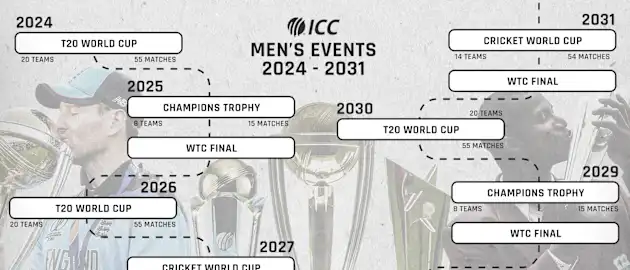
The 2024 edition was important for the long-term growth of cricket, not just for the current thrill. The event was intimately related to grassroots activities, programs for young people, and investments in infrastructure. The goal of these efforts was to make sure that the sport could grow in a way that would last and that more people could do it.
The ICC T20 World Cup was a chance to inspire the future generation of cricketers. The event showed off a wide range of teams and tales, which helped prove that cricket is a sport that people all over the world enjoy and encouraged new countries to invest in its future.
Media Coverage and Global Reach
There was a lot of media coverage of the 2024 event, both on traditional TV and online. Storytelling was about more than just the results of the matches. It also included the journeys of the players, the cultural backgrounds, and the stories that happened behind the scenes.
In 2024, the ICC T20 World Cup reached more people throughout the world than ever before. This shows how popular cricket is becoming around the world. This exposure made the sport stronger in the competitive global sports market and showed how well it can change to meet the needs of its fans.
Lessons and Problems from 2024
The event was very successful, but it also had problems with scheduling, player workload, and logistics. These problems taught us important lessons for future editions, such as the importance of balanced schedules and taking care of players’ health.
The ICC T20 World Cup 2024 showed that to stay great, you have to keep becoming better. Discussions regarding future improvements and new ideas were helped by feedback from teams, officials, and fans.
The ICC T20 World Cup 2024’s Legacy
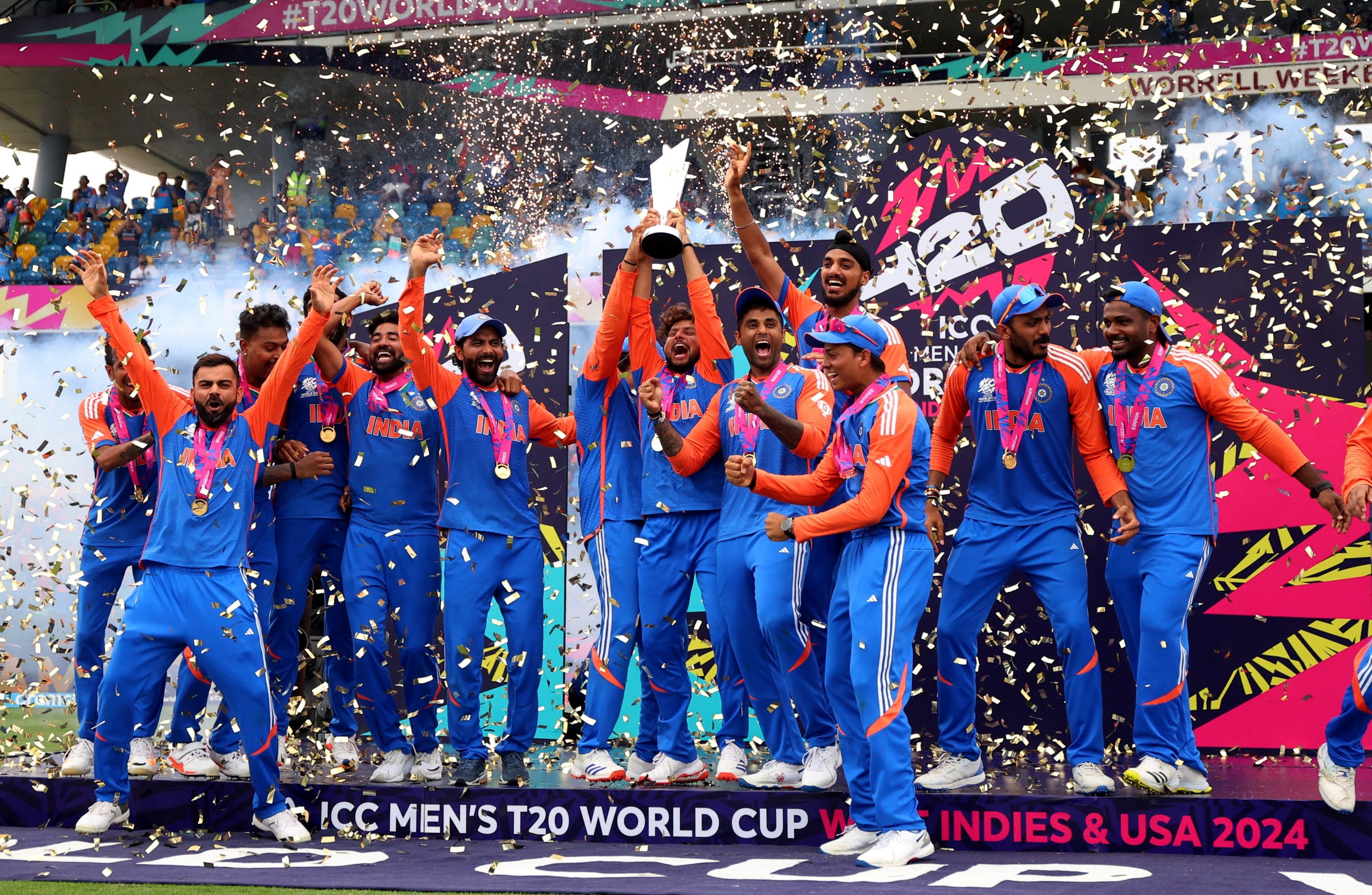
The 2024 tournament’s significance goes beyond prizes and numbers. It showed again how important it is for modern cricket to be flexible, open to everyone, and work together with people from all over the world. The event showed that the shortest format can provide high-quality competition while bringing together people from different cricket cultures.
The ICC T20 World Cup made a lasting effect by bringing together great sports and people from all around the world. Its impact will affect future events, domestic leagues, and international cricket tactics for many years to come.
In conclusion
The ICC T20 World Cup 2024 was a big deal in the history of cricket. The event showed why the format is still important to the sport’s growth through things like competitive balance, global growth, new technology, and cultural impact. The lessons and triumphs of 2024 will continue to drive cricket as it looks to the future. This will make sure that the ICC T20 World Cup stays a celebration of skill, passion, and global togetherness.
Read More:- India Cricket Schedule: Complete Guide to Matches and Tours
