

The MLB trade deadline is one of the most anticipated events on the Major League Baseball calendar. Every season, front offices across the league evaluate their rosters, assess their playoff chances, and decide whether to buy, sell, or stand pat. For fans, the deadline creates excitement, speculation, and endless debate as teams make moves that can dramatically alter the course of a season.
Unlike the offseason, where teams have months to negotiate and plan, the trade deadline creates urgency. Organizations must make difficult decisions under pressure, balancing short-term goals with long-term success. Contenders seek reinforcements for a playoff push, while rebuilding clubs look to acquire prospects and future assets.
The significance of the MLB trade deadline extends far beyond individual transactions. It shapes playoff races, impacts player careers, influences team chemistry, and often determines which clubs become championship contenders. Understanding how the deadline works provides valuable insight into the strategic side of professional baseball.
What Is the MLB Trade Deadline?
The MLB trade deadline is the final date during the regular season when teams can freely trade players with one another. After this deadline passes, restrictions are placed on player movement, making significant trades much more difficult.
The deadline typically occurs near the end of July, a point in the season when teams have accumulated enough games to understand their strengths, weaknesses, and postseason chances. By this stage, front offices possess substantial data to evaluate performance and determine what adjustments are needed.
For contending teams, the deadline often represents an opportunity to strengthen weak areas. Clubs may pursue starting pitchers, relief pitchers, power hitters, defensive specialists, or versatile utility players. Rebuilding teams, meanwhile, frequently trade veteran players for prospects who may contribute in future seasons.
The MLB trade deadline has evolved into a major event because every move carries significant consequences. A successful acquisition can transform a good team into a championship contender, while a poor trade decision can affect an organization for years.
Why the Trade Deadline Matters
The importance of the deadline lies in its ability to reshape competitive balance throughout the league. Teams in playoff contention often view this period as their final chance to address roster deficiencies before entering the stretch run.
A single acquisition can make a substantial difference. A dominant starting pitcher may stabilize a rotation, while a reliable reliever can strengthen a struggling bullpen. Likewise, an impact hitter can provide the offensive boost necessary to secure a division title.
Several factors make the deadline especially important:
- Teams must decide between present success and future development.
- Front offices face pressure from fans and ownership.
- Players often experience uncertainty regarding their future.
- Playoff races become more intense following major trades.
- Prospect evaluations gain increased importance.
The decisions made during this period frequently influence postseason outcomes. Many championship teams have benefited from strategic deadline additions that provided depth, leadership, and production when it mattered most.
The Difference Between Buyers and Sellers
Buyers
Buyers are teams actively pursuing playoff positions and looking to improve their rosters. These organizations typically trade prospects or younger players in exchange for established major league talent.
Buying at the deadline signals confidence in the current roster and demonstrates a commitment to competing immediately. Teams often focus on filling specific weaknesses identified during the first half of the season.
Sellers
Sellers are teams with limited playoff hopes that prioritize future success. These organizations often trade veteran players approaching free agency or those whose value is highest at the deadline.
The primary goal for sellers is acquiring prospects, draft-related assets, or younger players who can contribute in future seasons. While these moves may be unpopular among fans in the short term, they often serve as important steps in rebuilding efforts.
The contrast between buyers and sellers creates the market conditions that define the MLB trade deadline each season.
Key Positions Teams Target at the Deadline
Not all positions carry equal value during trade season. Certain roles consistently attract significant interest because of their impact on postseason success.
Starting Pitchers
Starting pitching remains one of the most sought-after assets. Teams entering the playoffs need reliable starters capable of performing under pressure against elite competition.
Bullpen Arms
Relief pitchers are frequently acquired because strong bullpens play a critical role in close games. Late-inning specialists can help teams protect leads and improve overall pitching depth.
Power Hitters
Offensive production becomes increasingly important as playoff races tighten. Teams often pursue hitters capable of changing games with a single swing.
Defensive Specialists
Some organizations prioritize defense and versatility. Players who can contribute in multiple positions provide valuable flexibility during the postseason.
These priorities shape negotiations and influence the overall direction of deadline activity throughout the league.
How Teams Evaluate Trade Targets
Modern baseball relies heavily on data and analytics. Front offices use advanced metrics alongside traditional scouting reports to identify potential acquisitions.
Evaluation criteria often include:
| Factor | Importance |
|---|---|
| Current Performance | High |
| Injury History | High |
| Contract Status | High |
| Age and Potential | Medium |
| Defensive Value | Medium |
| Clubhouse Fit | Medium |
| Postseason Experience | Medium |
| Salary Impact | High |
Organizations analyze these factors carefully before committing valuable prospects or financial resources. Successful teams combine statistical analysis with scouting expertise to make informed decisions.
The analytical approach has become a defining characteristic of the modern MLB trade deadline process.
The Role of Prospects in Trade Negotiations
Prospects are often the centerpiece of deadline deals. Since top young players represent future value, rebuilding teams typically seek them in exchange for established veterans.

Not every prospect becomes a star, however. This uncertainty creates risk for both sides. A contender may surrender future talent for immediate help, while a rebuilding team hopes acquired prospects develop successfully.
Front offices spend years scouting and evaluating minor league talent. Their assessments determine whether a trade package is acceptable. The strongest prospect systems provide organizations with flexibility to pursue major acquisitions without completely sacrificing the future.
Because prospect value can fluctuate rapidly, timing is crucial. Teams must decide whether to retain promising young players or use them as trade assets.
The prospect market remains one of the most fascinating aspects of deadline negotiations and organizational strategy.
Memorable Trade Deadline Moments in MLB History
Throughout baseball history, several deadline deals have had lasting effects on franchises and championship races.
Some trades brought superstar players to contenders, helping them secure postseason success. Others became cautionary tales in which teams surrendered future stars for short-term gains that failed to deliver results.
Historic deadline moments often share common themes:
- Aggressive moves by championship contenders.
- Blockbuster deals involving star players.
- Unexpected trades that shocked fans.
- Prospect packages that altered organizational futures.
- Transactions that reshaped league power dynamics.
These memorable moves contribute to the excitement surrounding the deadline each season. Fans and analysts frequently compare current trades to notable deals from the past when evaluating their potential impact.
Challenges Teams Face During Deadline Season
The deadline presents numerous challenges beyond simply identifying talent. Front offices must navigate complex financial, competitive, and organizational considerations.
One major challenge involves balancing short-term objectives with long-term sustainability. Overpaying for immediate help can weaken a franchise’s future, while excessive caution may waste a legitimate championship opportunity.
Communication also plays a critical role. General managers, scouts, analysts, coaches, ownership groups, and players all contribute perspectives that influence decision-making.
Additional challenges include:
- Limited availability of elite talent.
- Increasing prospect costs.
- Salary and payroll considerations.
- Medical evaluations.
- Competitive bidding among multiple teams.
Because every organization faces unique circumstances, there is no universal deadline strategy. Success depends on understanding both market conditions and internal priorities.
How the Deadline Impacts Players
While much attention focuses on teams, players experience significant personal effects during trade season. Rumors can create uncertainty for athletes and their families.
Being traded often requires relocating quickly, adapting to a new clubhouse, learning different coaching philosophies, and integrating into unfamiliar team dynamics. Some players thrive after a trade, while others need time to adjust.
Veteran players on rebuilding clubs may welcome opportunities to compete for championships. Younger players, meanwhile, may gain increased opportunities after roster changes create openings.
The emotional aspect of trades is frequently overlooked but remains an important part of professional baseball. Players must balance personal considerations with the demands of their careers.
As a result, the MLB trade deadline affects not only organizations but also the individuals involved in every transaction.
The Future of the MLB Trade Deadline
Baseball continues to evolve, and trade deadline strategies evolve with it. Advances in analytics, player development, and financial management have transformed how organizations approach roster construction.
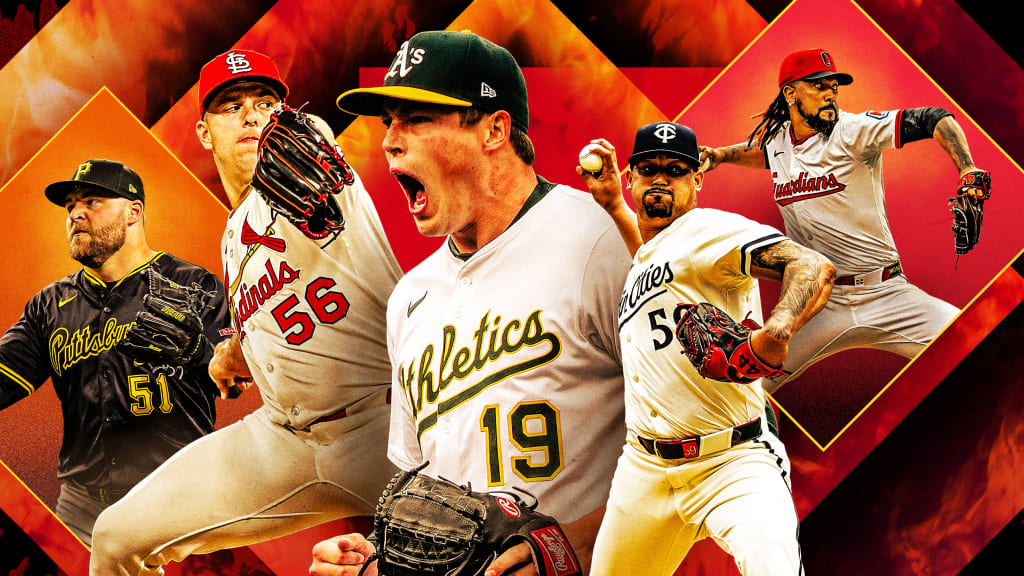
Teams increasingly value flexibility, depth, and controllable talent. As a result, deadline negotiations often involve complex evaluations extending beyond traditional statistics.
Future trends may include:
- Greater reliance on predictive analytics.
- Increased emphasis on player versatility.
- More sophisticated prospect valuation models.
- Enhanced injury-risk assessment tools.
- Strategic financial planning tied to roster construction.
These developments will likely influence how teams operate during future deadlines and shape the nature of trade discussions across the league.
Conclusion
The MLB trade deadline represents far more than a collection of transactions. It is a strategic crossroads where organizations determine how aggressively to pursue immediate success while protecting future competitiveness. Contenders seek the final pieces needed for postseason runs, while rebuilding teams focus on acquiring talent that can shape future seasons.
Read more: MLB All Star Game 2025: A Celebration of Baseball Excellence
