

Tennis has evolved significantly over the years, with technology playing a major role in how players train and improve their skills. One of the most valuable training tools available today is the tennis ball machine. Whether you are a beginner learning the basics or an advanced player preparing for competitive matches, this equipment can transform your practice sessions by providing consistent and customizable ball feeds.
Unlike traditional training methods that require a partner or coach at all times, a tennis ball machine allows players to practice independently. It can deliver hundreds of balls with varying speeds, spins, trajectories, and intervals, helping athletes focus on specific aspects of their game. This flexibility makes it one of the most popular training investments among tennis enthusiasts worldwide.
In the current tennis landscape, where players are increasingly relying on data-driven and technology-assisted training, the demand for modern ball machines continues to rise. Many new models now include smartphone controls, programmable drills, and advanced spin settings, making practice sessions more efficient and engaging than ever before.
What Is a Tennis Ball Machine?
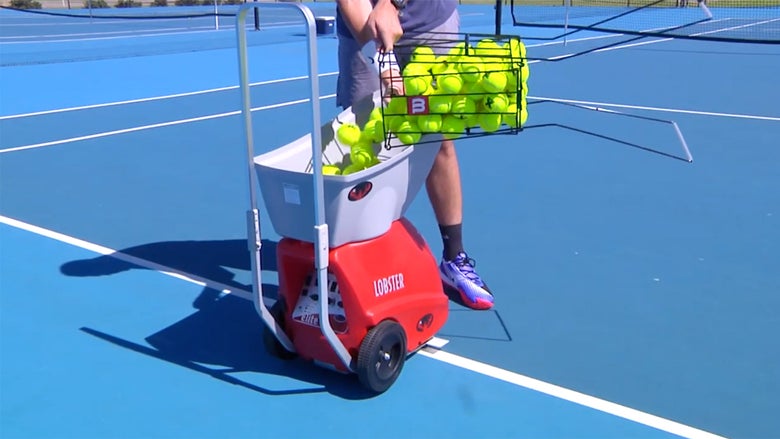
A tennis ball machine is an automated device designed to launch tennis balls across the court at controlled speeds, angles, and frequencies. The machine simulates different types of shots, allowing players to practice groundstrokes, volleys, serves, returns, and footwork drills without needing a hitting partner.
Modern machines are highly sophisticated. They can reproduce realistic match scenarios, including topspin forehands, slice backhands, deep baseline shots, and short drop shots. This level of customization helps players improve consistency while working on specific weaknesses.
Professional coaches often use these machines during structured training sessions because they provide repetitive and accurate ball placement. Repetition is one of the most effective ways to develop muscle memory, and a machine can deliver hundreds of identical shots in a single session.
Why Tennis Players Use Ball Machines
The growing popularity of the tennis ball machine can be attributed to its ability to provide uninterrupted practice. Unlike human partners who may become tired or inconsistent, a machine delivers balls with the same precision throughout the session.
Players benefit from practicing at their own pace and schedule. Early-morning workouts, late-evening sessions, or solo training days become much more productive with access to a reliable machine. This convenience is particularly valuable for players who do not always have access to coaches or hitting partners.
Another advantage is the ability to focus on specific techniques. For example, a player struggling with high topspin balls can program the machine to repeatedly deliver that exact shot. Such targeted practice can accelerate skill development significantly.
Key Features of Modern Tennis Ball Machines
Today’s machines are far more advanced than earlier models. Manufacturers continue introducing innovative features that enhance training efficiency and user experience.
Adjustable Ball Speed
Speed adjustment allows players to train against various shot intensities. Beginners can start with slower feeds, while advanced athletes can challenge themselves with professional-level speeds.
Spin Control
Many machines offer topspin and backspin settings. This feature helps players prepare for different opponents and match situations by practicing against realistic ball behavior.
Oscillation Function
Oscillation enables the machine to direct balls to different areas of the court. This encourages movement and improves footwork, agility, and court coverage.
Programmable Drills
Premium models allow users to create custom drills. Players can simulate rally patterns, approach shots, and defensive situations, making practice sessions more game-like.
Remote and App Control
Modern machines increasingly include wireless remote controls and smartphone applications. These tools make it easier to adjust settings without interrupting practice.

Benefits of Using a Tennis Ball Machine
The benefits of incorporating a tennis ball machine into training routines extend beyond simple repetition.
One major advantage is improved consistency. Since every shot is delivered according to programmed settings, players can focus on refining technique without worrying about unpredictable ball placement. Over time, this consistency translates into greater confidence during competitive matches.
Another important benefit is increased training volume. A typical practice partner may hit dozens of balls before needing a break, but a machine can deliver hundreds of shots continuously. This higher volume creates more learning opportunities and faster improvement.
Additionally, players can develop stronger footwork patterns. By programming the machine to alternate between different court positions, athletes improve movement efficiency and reaction speed. Since footwork is a fundamental component of tennis performance, this advantage alone makes ball machines highly valuable.
Tennis Ball Machine vs Practice Partner
Choosing between a practice partner and a machine often depends on training goals. Both options have unique strengths.
| Factor | Tennis Ball Machine | Practice Partner |
|---|---|---|
| Availability | Anytime | Depends on schedule |
| Consistency | Very high | Varies by skill level |
| Customization | Extensive settings | Limited |
| Match Simulation | Moderate | High |
| Cost Over Time | One-time investment | Ongoing expenses possible |
| Feedback | None | Can provide advice |
While human practice remains essential for match preparation and strategy development, a tennis ball machine offers unmatched consistency and flexibility for technical training.
Who Should Buy a Tennis Ball Machine?
Different types of players can benefit from owning a machine.
Beginners
New players often struggle with timing and stroke mechanics. Consistent ball feeds help them develop confidence and proper technique without feeling overwhelmed.
Intermediate Players
Intermediate athletes can use machines to refine weaknesses and increase rally consistency. Focused repetition often leads to noticeable improvements in match performance.
Advanced Competitors
Competitive players benefit from high-speed feeds, advanced spin settings, and custom drills that replicate challenging match situations.
Coaches and Tennis Academies
Coaches frequently integrate ball machines into training programs. The equipment allows instructors to work with multiple students efficiently while maintaining a high volume of practice shots.
Important Factors to Consider Before Buying
Before investing in a machine, buyers should evaluate several factors carefully.
Ball Capacity
Larger capacities reduce the need for frequent refilling. Competitive players often prefer machines that hold over 100 balls.
Battery Life
Battery performance determines how long training sessions can last. Modern lithium-ion batteries typically provide several hours of operation.
Portability
Some machines are lightweight and easy to transport, while others prioritize power over mobility. Consider how often the machine will be moved between courts.
Speed and Spin Range
Players should choose a model that matches their current skill level while offering room for future growth.
Programming Features
Advanced programming options are ideal for serious athletes who want customized drills and realistic match simulations.
Common Training Drills Using a Tennis Ball Machine
The versatility of a tennis ball machine allows players to perform a wide range of drills.
Some of the most effective drills include:
- Cross-court forehand repetition for consistency and timing.
- Alternating forehand-backhand movement drills for footwork.
- Volley practice at the net for reaction speed.
- Overhead smash training with high lobs.
- Return-of-serve simulations using fast feeds.
These drills help players develop technical proficiency while improving overall fitness and court awareness.
Current Trends in Tennis Ball Machine Technology
The latest generation of machines reflects broader technological advancements in sports training. Artificial intelligence and mobile integration are becoming increasingly common.
Several modern models now allow players to save personalized training programs. Some systems track session data and provide performance insights. These innovations align with the growing trend toward smart sports equipment that helps athletes measure and improve performance objectively.
Manufacturers are also focusing on portability and battery efficiency. Lightweight designs with longer operating times make machines more practical for recreational and professional players alike.
Another emerging trend is cloud-connected training systems. These platforms allow users to download drills, share practice programs, and access professional coaching routines from anywhere.
Potential Limitations of Tennis Ball Machines
Although highly beneficial, a tennis ball machine is not a perfect substitute for match play.
One limitation is the lack of unpredictability. Real opponents vary their shots based on strategy, pressure, and court positioning. Machines follow programmed patterns, which may not fully replicate actual competition.
Additionally, machines cannot provide tactical feedback or coaching advice. Players still benefit greatly from working with qualified instructors who can identify technical flaws and suggest improvements.
Cost may also be a consideration. High-end machines can represent a significant investment, particularly for recreational players. However, many users view the expense as worthwhile due to the long-term training benefits.
Maintenance and Care Tips
Proper maintenance helps maximize machine lifespan and performance.
A few essential maintenance practices include:
- Clean ball feed mechanisms regularly.
- Store the machine in a dry environment.
- Recharge batteries according to manufacturer guidelines.
- Inspect wheels and moving parts periodically.
- Remove dirt and debris after outdoor use.
Routine care reduces the likelihood of mechanical issues and ensures reliable operation throughout the year.
The Future of Tennis Ball Machines
The future of tennis training technology looks promising. As artificial intelligence, machine learning, and sensor technologies continue advancing, ball machines will likely become even more intelligent and adaptive.
Future systems may analyze player performance in real time and automatically adjust drills based on strengths and weaknesses. Enhanced connectivity could allow coaches to monitor training sessions remotely and provide instant feedback. Such developments could further bridge the gap between solo practice and professional coaching.
As technology becomes more affordable, advanced training tools are expected to reach a wider audience, making high-quality tennis instruction more accessible than ever before.
FAQs
What is a tennis ball machine used for?
A tennis ball machine is used to deliver tennis balls automatically for practice. It helps players improve strokes, footwork, timing, consistency, and overall performance without requiring a practice partner.
Is a tennis ball machine worth buying?
For players who train regularly, a tennis ball machine can be a worthwhile investment. It provides unlimited practice opportunities, customizable drills, and consistent ball feeds that accelerate skill development.
Can beginners use a tennis ball machine?
Yes, beginners can benefit greatly from a tennis ball machine. Adjustable speed and frequency settings allow new players to practice comfortably while building confidence and proper technique.
How long does a tennis ball machine battery last?
Battery life varies depending on the model. Most modern machines offer between 2 and 8 hours of continuous operation, with premium models often providing longer usage times.
Can a tennis ball machine improve footwork?
Yes. By programming shots to different areas of the court, players can practice movement patterns, agility, balance, and recovery positioning, all of which contribute to better footwork.
Do professional players use tennis ball machines?
Many professional players and coaches use tennis ball machines as part of structured training programs. They are particularly useful for repetitive technical drills and focused skill development.
Conclusion
A tennis ball machine has become one of the most effective training tools in modern tennis. By providing consistent, customizable, and high-volume practice opportunities, it helps players of all levels improve technique, footwork, endurance, and confidence. Whether used by beginners learning fundamentals, competitive athletes preparing for tournaments, or coaches running structured training sessions, these machines offer tremendous value.
Read more:-Jannik Sinner Tennis Player: Career, Rankings, Achievements & Future
