

Introduction
The clash between India and South Africa in women’s cricket has steadily evolved into one of the most competitive rivalries in the modern game. Whenever these two sides meet on the global stage, the contest reflects skill, strategy, and the rising stature of women’s cricket worldwide. The India vs South Africa Women World Cup encounters have consistently delivered intense battles, dramatic momentum shifts, and standout individual performances that capture global attention. These matches are not just about winning points; they symbolize growth, resilience, and the changing dynamics of international women’s cricket.
Evolution of Women’s Cricket on the World Cup Stage
Women’s cricket has undergone a remarkable transformation over the past two decades. Improved infrastructure, professional contracts, and increased media coverage have elevated the standard of competition. Within this landscape, both India and South Africa have emerged as formidable teams. The India vs South Africa Women World Cup rivalry mirrors this evolution, showcasing how tactical depth and fitness have become as crucial as natural talent. Early encounters were often one-sided, but modern World Cup meetings highlight how evenly matched these teams have become.
India’s Journey in Women’s World Cups
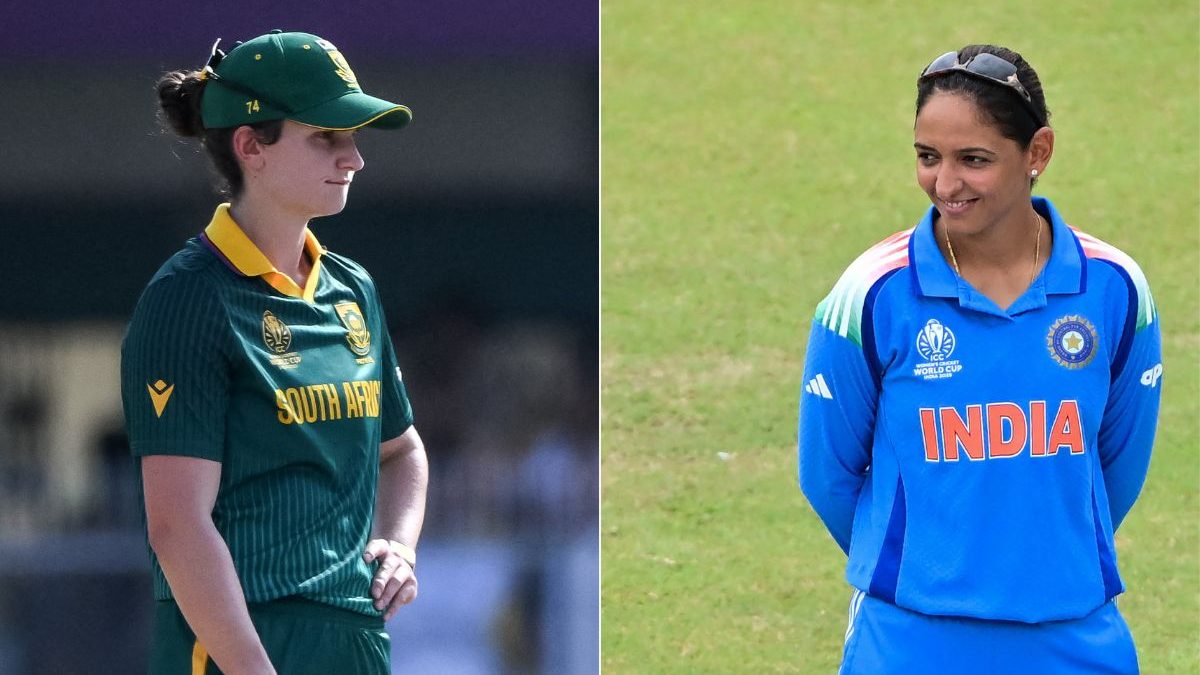
India’s women’s team has a rich history in World Cup cricket, marked by consistency and adaptability. From relying heavily on experienced batters in earlier editions to developing a balanced unit with strong all-rounders, India’s approach has evolved. In every India vs South Africa Women World Cup meeting, India has displayed disciplined batting lineups and strategic bowling rotations. The team’s ability to build partnerships and control the middle overs has often been a defining factor in these contests, making them one of the most tactically aware sides in the tournament.
)
South Africa’s Rise as a World Cup Contender
South Africa’s women’s team has grown rapidly into a respected force in international cricket. Known for athletic fielding and aggressive bowling, South Africa brings a fearless mindset into World Cup clashes. The India vs South Africa Women World Cup matches frequently reflect this aggressive philosophy, with South Africa challenging India’s batters through pace, bounce, and intelligent field placements. Their rise has added excitement and unpredictability to the tournament, pushing traditional powerhouses to adapt.
Memorable India vs South Africa Women World Cup Matches
Several encounters between these two teams have left a lasting impact on fans and analysts alike. High-pressure chases, low-scoring thrillers, and individual brilliance have all been part of this rivalry. The India vs South Africa Women World Cup fixtures are often remembered for their turning points, whether it is a crucial spell of bowling or a resilient batting partnership under pressure. These moments define why this rivalry holds such importance in the broader context of women’s cricket.
Batting Battles That Shape the Contest
Batting plays a central role in determining the outcome of these World Cup matches. India’s top order often focuses on stability and strike rotation, while South Africa’s batters bring power and intent. In the India vs South Africa Women World Cup, the contest between India’s spinners and South Africa’s middle-order hitters has been particularly influential. The ability to adapt to pitch conditions and scoreboard pressure frequently decides which side gains the upper hand.

Bowling Strategies and Tactical Depth
Bowling strategies in World Cup cricket are more refined than ever, and this rivalry highlights that evolution. India’s reliance on spin and variation contrasts with South Africa’s emphasis on pace and seam movement. Each India vs South Africa Women World Cup match becomes a tactical chess game, with captains adjusting plans ball by ball. The effectiveness of death-over bowling and powerplay control often becomes the difference between victory and defeat.
Role of All-Rounders in Key Moments
All-rounders have become indispensable in modern women’s cricket, and their influence is evident in this rivalry. In the India vs South Africa Women World Cup, all-rounders frequently tilt the balance through crucial contributions with both bat and ball. Their versatility allows teams to maintain flexibility in team combinations, making matches more competitive and strategically complex.
Fielding Standards and Athleticism
Fielding has emerged as a major factor in high-stakes World Cup games. South Africa’s reputation for exceptional athleticism often challenges India’s batters to rethink scoring options. Conversely, India’s improved fielding standards reflect the team’s commitment to professionalism. In the India vs South Africa Women World Cup, saved runs, sharp catches, and quick run-outs have often played decisive roles, emphasizing how fielding excellence can change match outcomes.

Psychological Pressure and Big-Match Temperament
World Cup matches bring immense psychological pressure, especially in knockout stages or must-win scenarios. The India vs South Africa Women World Cup rivalry showcases how mental toughness is as important as technical skill. Players must handle expectations, crowd energy, and momentum swings, making composure under pressure a defining trait for success in these encounters.
Impact on Global Women’s Cricket
Beyond results, this rivalry has contributed significantly to the global growth of women’s cricket. The competitiveness of the India vs South Africa Women World Cup matches attracts new audiences and inspires young players across continents. These games demonstrate that women’s cricket can deliver high-quality entertainment and intense competition on the world stage.
Influence of Leadership and Captaincy
Strong leadership has been a hallmark of both teams. Captains play a crucial role in reading conditions, managing resources, and motivating players. In the India vs South Africa Women World Cup, captaincy decisions such as bowling changes or batting order adjustments have often shaped the narrative of the match. Leadership under pressure remains a key element of this rivalry.
Changing Tactics Across World Cup Editions
As women’s cricket evolves, so do tactics. Teams analyze previous encounters and adapt strategies accordingly. The India vs South Africa Women World Cup rivalry reflects this constant evolution, with both sides learning from past mistakes and refining game plans. This adaptability keeps the rivalry fresh and unpredictable in every edition.
Fan Engagement and Media Attention
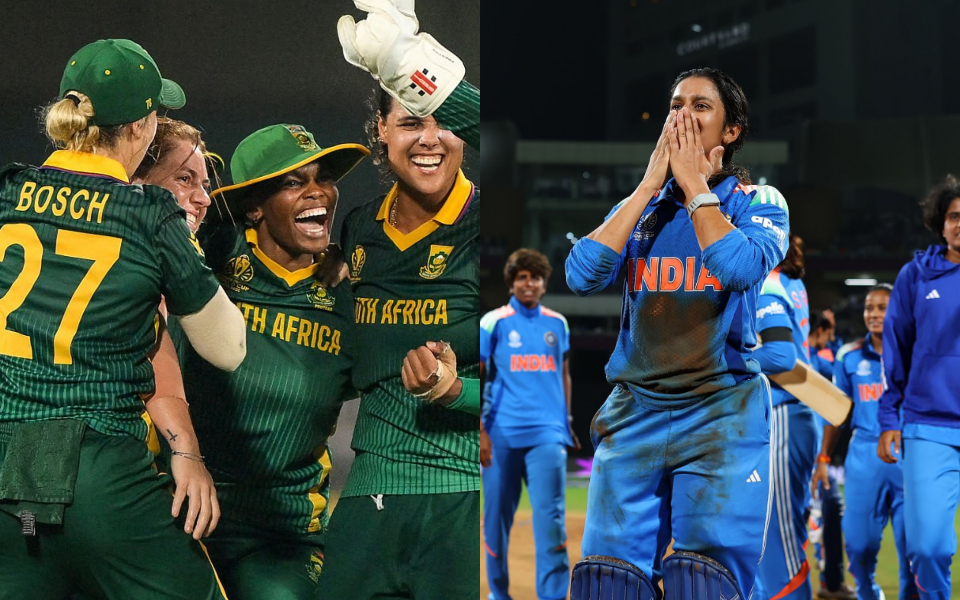
Increased media coverage and fan engagement have elevated the profile of these matches. The India vs South Africa Women World Cup fixtures draw significant attention due to the teams’ contrasting styles and competitive balance. Fans appreciate the skill on display and the narratives that emerge from these encounters, further strengthening the rivalry’s appeal.
Future of the Rivalry in World Cups
Looking ahead, the rivalry between India and South Africa in women’s World Cups is expected to grow even stronger. With younger players gaining experience and domestic structures improving, future India vs South Africa Women World Cup matches promise higher intensity and greater tactical depth. This rivalry is poised to remain a central storyline in upcoming tournaments.
Conclusion
The India vs South Africa Women World Cup rivalry represents more than just a series of matches; it embodies the progress, competitiveness, and global reach of women’s cricket. From tactical battles and individual brilliance to psychological resilience and fan engagement, these encounters highlight why women’s World Cup cricket continues to captivate audiences worldwide. As both teams evolve, this rivalry will undoubtedly continue to shape the narrative of international women’s cricket for years to come.
Read More:- Cricket World Cup: History, Evolution, Format, and Global Impact
