

Introduction
The cricket world cup is the most prestigious tournament in international cricket, representing the ultimate stage where nations compete for supremacy in the sport. Held once every four years, this global event unites millions of fans, iconic players, and unforgettable moments under one competitive umbrella. Since its inception, the tournament has evolved in structure, scale, and popularity, becoming one of the most watched sporting events in the world. The cricket world cup is not just a competition; it is a celebration of cricket’s rich culture, diversity, and enduring appeal across continents.
Origin and Early History of the Cricket World Cup
The idea of a global cricket tournament emerged during the early 1970s, a period when limited-overs cricket was gaining popularity. Traditional Test cricket, while prestigious, required several days to complete, limiting its mass appeal. The first official cricket world cup was organized in 1975 in England, with matches played in white clothing using red balls and 60 overs per side. Eight teams participated, including England, Australia, West Indies, India, Pakistan, Sri Lanka, and East Africa.
West Indies emerged as the inaugural champions, showcasing explosive batting and disciplined bowling that set the standard for future tournaments. The early editions laid the foundation for international one-day cricket, proving that shorter formats could be competitive, entertaining, and commercially viable.
Growth and Global Expansion of the Tournament
As cricket expanded beyond its traditional strongholds, the tournament evolved to include more teams and regions. The introduction of colored clothing, white balls, and day-night matches in the 1992 edition marked a turning point. Hosted by Australia and New Zealand, that edition revolutionized the viewing experience and significantly increased global television audiences.
The cricket world cup gradually expanded participation, allowing associate nations to compete alongside established teams. This inclusivity helped spread the game to new regions, inspiring grassroots development and increasing global competitiveness. Nations like Sri Lanka and later Afghanistan demonstrated how exposure on the world stage could transform cricketing fortunes.

Tournament Format and Structure Explained
The format of the cricket world cup has changed multiple times to balance fairness, competitiveness, and audience engagement. Early tournaments followed straightforward knockout structures, while later editions introduced league stages followed by semifinals and finals. Modern editions typically feature a round-robin format where each team plays the others before advancing to knockout stages.
This structure ensures that teams have multiple opportunities to prove consistency and adaptability across different conditions. The emphasis on points, net run rate, and head-to-head results adds strategic depth, making every match significant. The evolving format reflects cricket’s attempt to maintain competitiveness while maximizing entertainment value.
Iconic Teams and Their Dominance
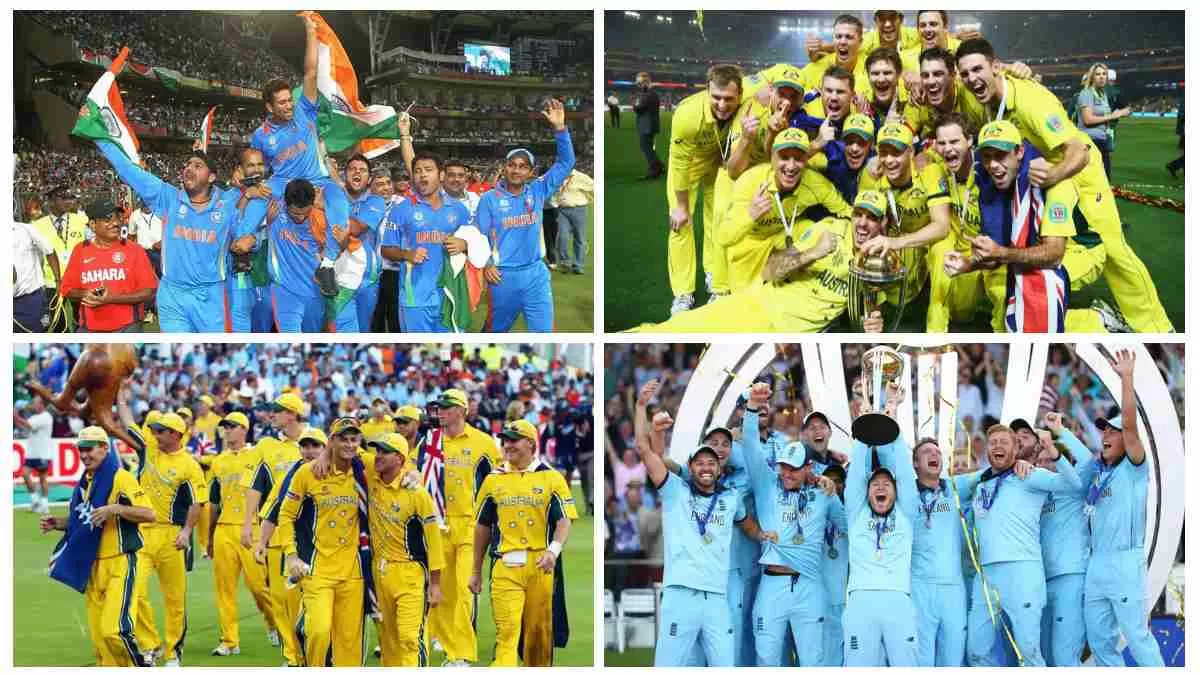
Several teams have defined different eras of the cricket world cup. West Indies dominated the early years with power-hitting and fast bowling. Australia later emerged as the most successful side, known for ruthless consistency, mental toughness, and tournament preparation. Their multiple title wins cemented their legacy as one of cricket’s greatest dynasties.
India’s triumphs added massive popularity to the tournament, driven by passionate fan support and legendary players. England’s recent success highlighted innovation and aggressive strategies tailored to modern limited-overs cricket. Each champion has contributed uniquely to the evolution of playing styles and competitive standards.
Legendary Players Who Shaped the World Cup
The cricket world cup has been a platform for legends to rise and careers to be immortalized. Players like Viv Richards, Sachin Tendulkar, Ricky Ponting, Wasim Akram, and Jacques Kallis delivered performances that transcended statistics. Their ability to perform under immense pressure defined their greatness and inspired generations.
World Cup centuries, match-winning spells, and heroic finals performances remain etched in cricketing history. These players not only influenced outcomes but also shaped how the game is played, from aggressive batting philosophies to tactical bowling innovations.
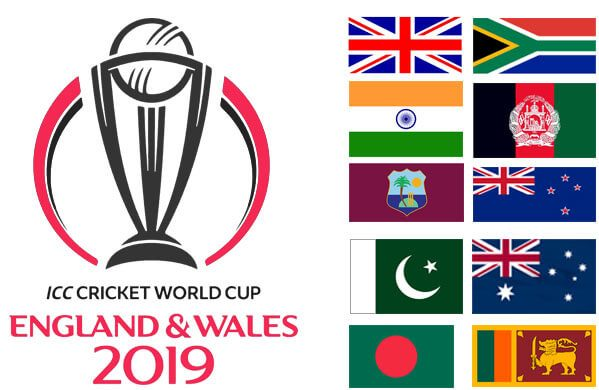
Memorable Matches and Historic Moments
Every edition of the cricket world cup has produced moments that fans remember for decades. Thrilling finals, dramatic upsets, last-over finishes, and emotional farewells contribute to the tournament’s magic. These moments highlight cricket’s unpredictability and emotional depth.
Historic matches often redefine narratives, turning underdogs into heroes and established giants into vulnerable contenders. The pressure of representing a nation on the world’s biggest stage adds intensity that elevates even routine performances into iconic memories.
Records and Statistical Milestones
The cricket world cup is a treasure trove of records that reflect both individual brilliance and team excellence. Highest run-scorers, leading wicket-takers, fastest centuries, and best bowling figures provide measurable benchmarks of greatness. These records evolve with every tournament, showcasing how the game adapts to changing strategies and conditions.
Statistics also reveal broader trends, such as increasing scoring rates, improved fitness standards, and advanced analytical approaches. While numbers tell part of the story, the context of World Cup pressure makes these achievements even more remarkable.
Evolution of Playing Conditions and Technology
Over the decades, the cricket world cup has benefited from advancements in technology and playing conditions. Improved pitch preparation, standardized equipment, and sophisticated broadcasting have enhanced fairness and fan engagement. The introduction of decision review systems improved officiating accuracy, reducing controversies in crucial matches.
Fitness, data analytics, and tactical planning now play a major role in World Cup success. Teams prepare meticulously for conditions, opponents, and pressure scenarios, reflecting how professional cricket has become more scientific and strategic.
Economic and Cultural Impact Worldwide
Beyond the field, the cricket world cup has a profound economic and cultural impact. Host nations experience tourism boosts, infrastructure development, and global exposure. Sponsorships, broadcasting rights, and merchandising generate significant revenue, supporting cricket’s global ecosystem.
Culturally, the tournament unites diverse populations, creating shared experiences across borders. For many fans, the World Cup is more than sport; it is a national celebration that evokes pride, emotion, and collective identity.
Role of Associate Nations in the Tournament
One of the most inspiring aspects of the cricket world cup is the participation of associate nations. These teams often enter as underdogs but bring unpredictability and passion. Their victories against established sides demonstrate cricket’s expanding competitive base.
Exposure to high-level competition accelerates development, encouraging investment and youth participation in emerging cricket nations. This inclusivity ensures that the World Cup remains a truly global event rather than a closed competition.
Challenges and Criticism Over the Years
Despite its success, the cricket world cup has faced criticism regarding scheduling, format changes, and team selection. Debates often arise about inclusivity versus competitiveness, with discussions on how many teams should participate.
Weather interruptions, player workload, and long tournament durations also pose challenges. Organizers continuously refine structures to balance tradition, commercial interests, and sporting integrity.
Future of the Cricket World Cup
The future of the cricket world cup looks dynamic as cricket continues to evolve. Innovations in broadcasting, fan engagement, and data-driven strategies will shape upcoming editions. There is growing emphasis on expanding participation while maintaining high competitive standards.
Sustainability, player welfare, and global development are expected to play a larger role in future planning. As new generations of fans and players emerge, the tournament will continue adapting while preserving its core spirit.
Why the Cricket World Cup Remains Unmatched
What makes the cricket world cup special is its ability to blend history, emotion, and competition into one event. It captures the essence of cricket, from technical excellence to raw passion. Every four years, it offers a fresh narrative while honoring its rich legacy.
The tournament’s enduring appeal lies in its unpredictability and inclusiveness, ensuring that each edition feels unique. Whether through legendary performances or surprising outcomes, the World Cup consistently delivers moments that define cricketing eras.
Conclusion
The cricket world cup stands as the pinnacle of international cricket, representing excellence, unity, and evolution. From its humble beginnings to its modern grandeur, the tournament reflects how cricket has grown into a truly global sport. Its history is filled with legendary teams, iconic players, and unforgettable moments that continue to inspire fans worldwide.
As cricket advances into new territories and embraces innovation, the World Cup remains its most cherished stage. It is not merely a competition but a living chronicle of cricket’s past, present, and future, ensuring its place as one of the most significant events in global sports.
Read More:- Pakistan vs Netherlands: A Complete Cricket Rivalry Breakdown