

Every Major League Baseball season brings excitement, competition, and speculation, but few topics generate as much discussion as MLB trade rumors. Fans, analysts, executives, and players closely follow trade chatter as teams look to strengthen their rosters, address weaknesses, and prepare for postseason success. Whether a franchise is chasing a championship or rebuilding for the future, the trade market often becomes one of the most important storylines of the year.
The anticipation surrounding potential player movement creates endless conversations across baseball communities. Rumors emerge from front offices, insiders, and media reports, fueling debates about which teams are buyers and which organizations are sellers. While some rumors never materialize, others eventually lead to blockbuster trades that alter the balance of power throughout the league.
Understanding how the trade market works provides valuable insight into team strategies and player value. As clubs evaluate their chances of success, they must decide whether to invest in immediate upgrades or focus on long-term development. This dynamic environment makes trade speculation one of the most fascinating aspects of professional baseball.
Why MLB Trade Rumors Matter
The significance of MLB trade rumors extends far beyond simple player movement. Trades can transform entire organizations and dramatically influence the outcome of a season. A contender acquiring an elite pitcher or impact hitter can gain a substantial advantage over rivals in the playoff race.
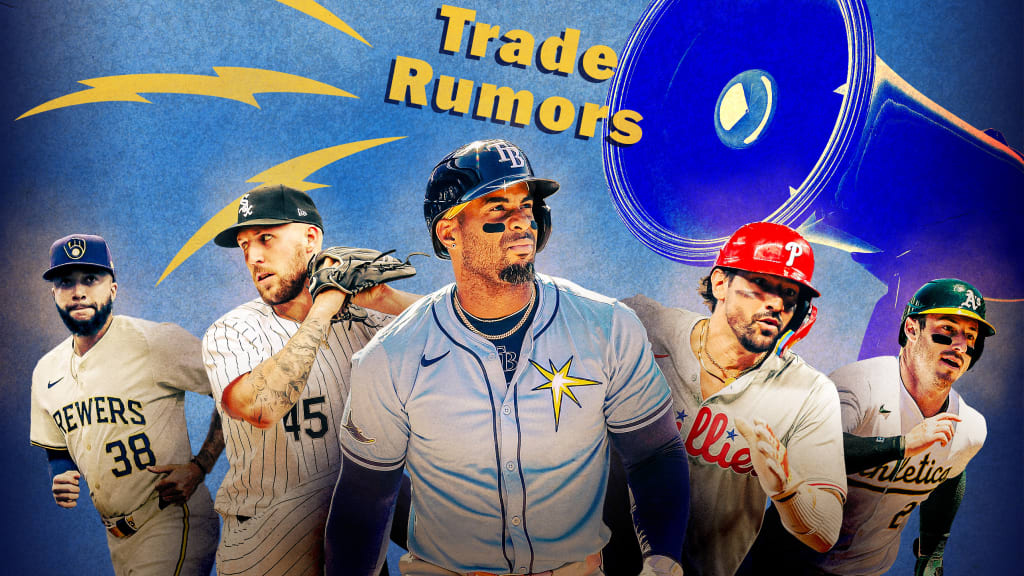
Rumors also offer a glimpse into the thinking of front offices. Teams reveal their priorities through the players they target and the assets they are willing to move. Fans gain a better understanding of organizational goals, whether the focus is winning immediately or building a sustainable future.
Additionally, trade discussions often affect player performance and morale. Athletes mentioned in rumors must maintain focus despite uncertainty surrounding their futures. Some players thrive under pressure, while others may struggle with the distractions that accompany constant speculation.
For supporters, trade rumors provide entertainment and engagement throughout the season. They create excitement between games and offer endless possibilities regarding how teams can improve. This combination of strategic planning and unpredictability keeps baseball fans invested year-round.
The Factors Driving Trade Activity
Several key factors influence trade discussions across Major League Baseball. Understanding these elements helps explain why certain players become available and why teams pursue specific targets.
Team Performance
A club’s position in the standings significantly impacts its trade strategy. Teams competing for playoff spots typically seek upgrades, while organizations falling out of contention may focus on acquiring future assets.
Contract Status
Players approaching free agency often become attractive trade candidates. Rather than risk losing valuable talent without compensation, teams sometimes move expiring contracts for prospects or younger players.
Injuries
Unexpected injuries can create urgent roster needs. Teams suffering key losses may aggressively pursue replacements to maintain competitiveness.
Farm System Strength
Organizations with deep prospect pools possess greater flexibility in trade negotiations. Strong farm systems allow teams to acquire established stars without completely sacrificing future success.
These factors combine to shape the ever-changing trade market and influence many of the most talked-about rumors throughout the season.
Top Categories of Trade Targets
Not every trade target serves the same purpose. Teams typically pursue players who address specific weaknesses or provide strategic advantages.
Starting Pitchers
Reliable starting pitching remains one of the most valuable assets in baseball. Contenders frequently seek experienced starters capable of handling postseason pressure.
Relief Pitchers
Bullpen upgrades are common near the trade deadline. Elite relievers can significantly impact close games and strengthen playoff-bound rosters.
Power Hitters
Teams often search for players who can add offensive production and improve run-scoring potential during critical stretches of the season.
Defensive Specialists
Strong defensive players help prevent runs and improve overall team efficiency, making them attractive trade targets.
Versatile Utility Players
Multi-position players provide flexibility and depth, allowing managers to adapt to injuries and matchups more effectively.
Organizations evaluate these categories carefully when navigating the competitive trade landscape.
Potential Impact of Major Trades
The effects of significant transactions can be felt immediately or develop over several years. Some trades create instant championship contenders, while others lay the foundation for future success.
| Trade Impact Area | Short-Term Effect | Long-Term Effect |
|---|---|---|
| Starting Rotation | Improved consistency | Greater playoff potential |
| Bullpen | Better late-game performance | Enhanced roster depth |
| Offense | Increased run production | Sustainable lineup strength |
| Farm System | Prospect loss | Future talent development |
| Team Chemistry | New clubhouse dynamics | Organizational culture changes |
Evaluating trade impact requires balancing present needs against future opportunities. Successful organizations often excel at finding this balance.
How Front Offices Evaluate Trade Opportunities
Modern baseball operations rely heavily on data and analytics when assessing trade possibilities. While traditional scouting remains important, advanced metrics play a significant role in player evaluation.
Teams analyze factors such as on-base percentage, slugging percentage, strikeout rates, walk rates, defensive metrics, and expected performance indicators. These measurements help organizations determine whether a player’s current production is sustainable or likely to decline.
Financial considerations also influence decision-making. Front offices must evaluate salary commitments, luxury tax implications, and long-term payroll flexibility before completing major transactions. A talented player may not fit within a team’s financial structure, regardless of on-field value.
Risk assessment represents another critical component of trade analysis. Injury history, age, contract obligations, and clubhouse fit all affect a player’s overall value. Organizations aim to minimize uncertainty while maximizing potential returns.
As a result, modern trade discussions involve far more complexity than simple talent comparisons. Successful front offices combine statistical analysis, scouting expertise, and financial planning to make informed decisions.
The Role of Prospects in MLB Trades
Prospects serve as the foundation of many trade negotiations. Young players with high ceilings often represent the most valuable currency available to organizations seeking established major league talent.
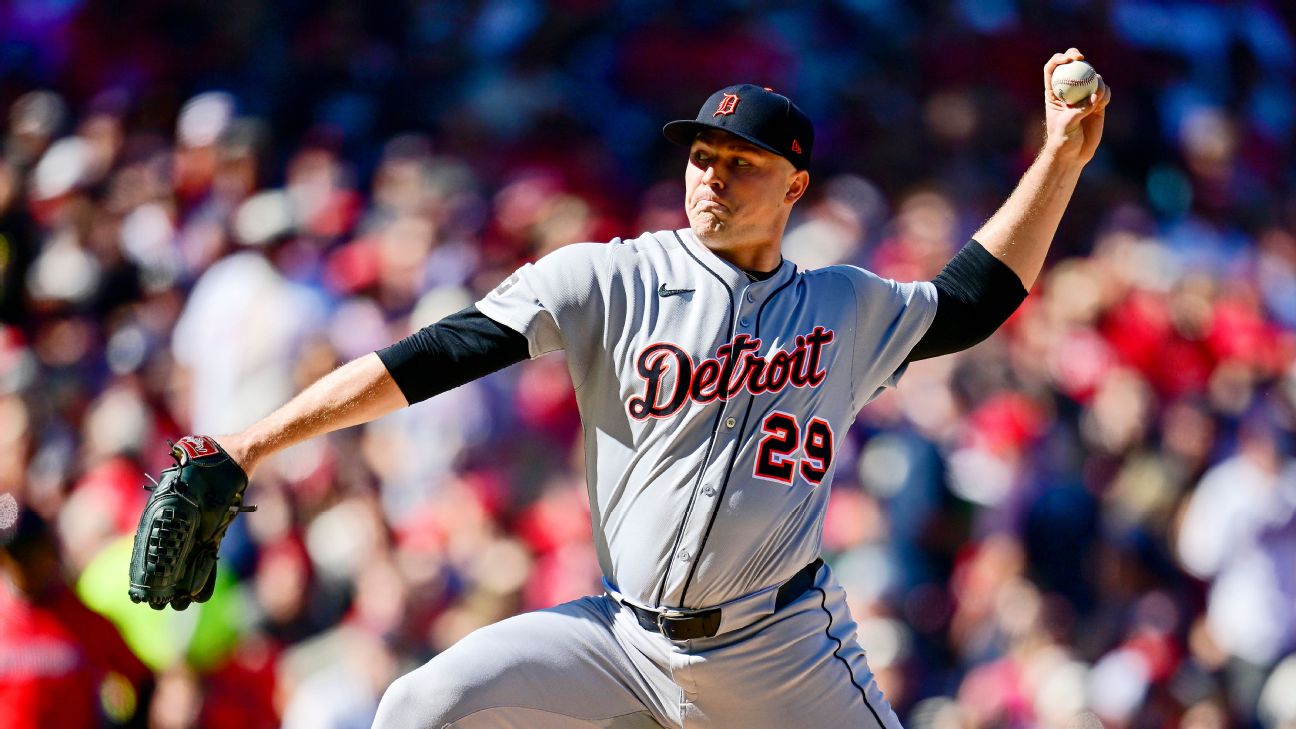
Rebuilding teams prioritize prospect acquisition because it provides opportunities for long-term growth. Rather than pursuing short-term victories, these clubs focus on developing future stars who can contribute for years.
For contenders, trading prospects can be a difficult decision. While young talent offers future promise, championship windows are often limited. Organizations must determine whether immediate success outweighs potential future contributions.
Key characteristics that increase prospect value include:
- High-level athletic ability
- Strong statistical performance
- Positional versatility
- Youth and development potential
- Favorable injury history
- Advanced baseball skills
Prospect evaluations vary significantly between organizations, creating opportunities for creative trade negotiations and unexpected deals.
Most Common Types of MLB Trade Rumors
Not all rumors carry the same level of credibility. Understanding different categories can help fans better interpret trade reports.
Exploratory Discussions
Many rumors originate from preliminary conversations between teams. These discussions may never progress beyond initial interest but often generate media attention.
Active Negotiations
When multiple reports indicate serious talks, the likelihood of a transaction increases substantially. These situations often produce the most reliable rumors.
Deadline Speculation
As the trade deadline approaches, speculation intensifies regarding buyers, sellers, and available players.
Blockbuster Possibilities
Star players naturally attract attention and generate extensive rumors. While blockbuster trades are relatively rare, they often dominate headlines.
Recognizing these distinctions helps fans separate realistic possibilities from pure speculation.
Challenges Teams Face During Trade Negotiations
Executing successful trades is rarely straightforward. Front offices encounter numerous obstacles while attempting to finalize agreements.
Valuation disagreements represent one of the biggest challenges. Teams frequently assign different values to the same player or prospect, making negotiations difficult. Reaching common ground often requires creativity and compromise.
Competition from rival organizations can further complicate discussions. Multiple teams pursuing the same player may drive up acquisition costs and reduce negotiating leverage.
Timing also plays a crucial role. Organizations must decide whether to act quickly or wait for more favorable conditions. Delaying a move can result in missed opportunities, while acting too soon may lead to overpayment.
Media attention adds another layer of complexity. Public rumors can influence market perceptions and increase pressure on decision-makers. Front offices must balance transparency with confidentiality throughout the negotiation process.
Despite these challenges, successful organizations consistently identify opportunities to improve their rosters through strategic transactions.
Predictions for Future Trade Activity
As baseball continues evolving, trade strategies are likely to become even more sophisticated. Analytics, technology, and player development systems will further influence decision-making processes.
The future of MLB trade rumors may involve greater emphasis on controllable talent. Teams increasingly value players under affordable contracts because they provide both performance and financial flexibility. This trend could lead to higher acquisition costs for players with multiple years of team control.
Another likely development is increased creativity in trade structures. Multi-team deals and complex transactions may become more common as organizations search for mutually beneficial solutions.
International scouting and player development programs will also affect future trade markets. Teams investing heavily in global talent acquisition may gain additional assets to use in negotiations.
While specific rumors change daily, the fundamental principles driving trade activity remain consistent. Organizations will continue balancing short-term competitiveness with long-term sustainability.
Conclusion
The world of MLB trade rumors remains one of the most compelling aspects of professional baseball. From blockbuster possibilities to under-the-radar acquisitions, trade discussions shape team strategies, influence playoff races, and captivate fans throughout the season.
Read more: MLB Trade Deadline: A Complete Guide to Baseball’s Most Exciting Midseason Event
