

The Olympic Games have always represented the highest level of international sporting excellence, bringing together athletes from every corner of the world to compete with pride and determination. Among the many exciting competitions, hockey olympics stands out as one of the most anticipated events because of its remarkable speed, tactical depth, and unforgettable rivalries. Every edition of the tournament creates stories of resilience, teamwork, and national pride that remain in the memories of sports fans for generations.
Ice hockey at the Olympics is more than a championship. It is a celebration of tradition, skill, and sportsmanship. Nations spend years preparing their teams for the opportunity to compete on this prestigious stage. From dramatic overtime victories to emotional gold medal celebrations, Olympic hockey consistently delivers moments that define sporting history. Understanding its journey helps explain why millions of viewers eagerly await every Olympic tournament.
The Origins of Olympic Hockey
Ice hockey first appeared in the Winter Olympics in the early twentieth century and quickly became one of the event’s signature sports. What began with only a handful of participating nations has transformed into a truly global competition featuring some of the world’s strongest hockey programs. Over the decades, improvements in equipment, coaching methods, and player development have dramatically raised the standard of competition.
As international interest continued to grow, more countries invested in youth development and professional leagues. This expansion created greater balance between traditional powerhouses and emerging hockey nations. Every Olympic tournament reflects the progress made across different regions, making each competition more unpredictable than the last. The history of Olympic hockey is therefore not just about champions but also about the worldwide growth of the sport itself.

Tournament Format and Competition Structure
The Olympic tournament follows a carefully designed format that rewards consistency while allowing opportunities for dramatic knockout matches. Teams are usually divided into groups where they compete in round-robin games before advancing to elimination rounds. Every match matters because a single result can determine whether a team continues its pursuit of a medal or returns home disappointed.
Once the preliminary stage concludes, qualified teams enter the quarterfinals, followed by semifinals and medal matches. The knockout format increases excitement because there is little room for mistakes. Coaches must balance aggressive attacking play with disciplined defense, while players are expected to perform under immense pressure. These high-stakes encounters are often remembered for incredible saves, clutch goals, and remarkable comebacks.
| Tournament Stage | Purpose | Importance |
|---|---|---|
| Group Stage | Teams play round-robin matches | Determines qualification and seeding |
| Quarterfinals | Top teams advance | Win-or-go-home format begins |
| Semifinals | Four remaining teams compete | Winners reach the gold medal game |
| Bronze Medal Match | Losing semifinalists compete | Decides third place |
| Gold Medal Match | Final championship game | Determines Olympic champion |
Legendary Nations and Memorable Rivalries
Several countries have established themselves as dominant forces throughout Olympic history. Canada has earned worldwide respect for its consistent success, while the United States has produced unforgettable underdog stories that continue to inspire athletes everywhere. European nations such as Sweden, Finland, Russia, and the Czech Republic have also contributed legendary teams that combine technical excellence with outstanding teamwork.
The intense rivalries between these hockey nations have produced countless thrilling contests. Fans often remember closely fought finals where a single goal changed the destiny of an entire tournament. Every generation introduces new stars, but the competitive spirit remains constant. These rivalries are built on decades of tradition, making every Olympic meeting far more meaningful than an ordinary international match.
Players Who Changed Olympic History
Many athletes have transformed Olympic hockey through extraordinary performances that inspired future generations. Some became famous for scoring decisive goals, while others earned recognition through exceptional leadership or remarkable defensive play. Great goalkeepers have also played a crucial role, producing spectacular saves that preserved championship dreams for their countries.
Olympic success requires far more than individual talent. Players must quickly adapt to different teammates, coaching systems, and tournament schedules. Those who thrive under these conditions often become national heroes. Their achievements demonstrate that discipline, preparation, and teamwork remain just as valuable as natural ability. The legacy of these athletes continues to influence young players hoping to represent their own countries in future Olympic Games.
The Evolution of Playing Style
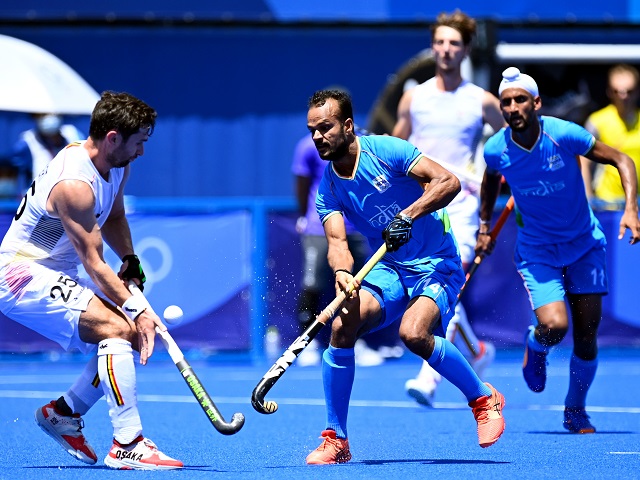
Over the years, the pace and strategy of Olympic ice hockey have changed significantly. Earlier tournaments often relied on physical strength and simple attacking patterns, but today’s game is built around speed, precision passing, and intelligent positioning. Coaches now use advanced video analysis and performance data to prepare their teams for every opponent. Small tactical adjustments can make the difference between winning a medal and an early elimination.
The increased emphasis on skating ability has also transformed player development. Modern athletes train year-round to improve acceleration, endurance, and puck control. Defensive systems have become more organized, requiring every player to contribute on both ends of the ice. These developments have made hockey olympics even more exciting, as every game features fast transitions, creative offensive plays, and disciplined defensive structures.
The Role of Technology and Preparation
Technology has become an essential part of Olympic hockey. Teams use video breakdowns to study opponents, monitor player performance, and identify strengths and weaknesses before each match. Wearable fitness devices help coaching staffs track recovery, workload, and conditioning throughout the demanding tournament schedule. This scientific approach ensures athletes remain physically prepared for high-pressure competition.
Equipment has improved as well. Modern helmets, skates, protective gear, and sticks provide greater safety while allowing players to move faster and shoot with increased accuracy. Even ice maintenance techniques have advanced, creating smoother playing surfaces that support quicker skating and more consistent puck movement. These innovations continue to raise the overall quality of Olympic competition without changing the core values of teamwork and determination.
Women’s Hockey and Its Remarkable Growth
Women’s Olympic hockey has experienced extraordinary growth since becoming part of the Winter Games. The competition has introduced millions of fans to outstanding athletes whose performances rival the intensity and excitement of the men’s tournament. Every edition has showcased improved skill levels, stronger international competition, and inspiring displays of sportsmanship.
Several countries have invested heavily in women’s development programs, leading to greater competitive balance across the tournament. Young girls around the world now have visible role models who demonstrate what can be achieved through dedication and perseverance. As participation continues to grow, women’s Olympic hockey is expected to become even more competitive, attracting larger audiences and inspiring future generations to pursue the sport at the highest level.
Why Fans Love the Olympic Experience
Unlike professional leagues, the Olympics unite players under their national flags, creating an emotional atmosphere that few sporting events can match. Athletes who normally compete against one another during club seasons suddenly become teammates working toward a shared dream. This unique setting creates unforgettable moments that extend far beyond the final score.
Fans appreciate the unpredictable nature of the tournament. Emerging nations occasionally challenge traditional powerhouses, while unexpected heroes often deliver game-winning performances. Every Olympic cycle introduces fresh storylines, ensuring that each tournament has its own identity. Whether someone is a lifelong hockey enthusiast or a first-time viewer, the excitement of international competition makes Olympic hockey accessible and engaging for audiences worldwide.
Looking Ahead to the Future
The future of hockey olympics appears exceptionally bright. More countries continue investing in coaching, youth academies, and international competitions, expanding the sport’s global reach. Advances in sports science and player development will likely produce even faster, more skilled athletes capable of performing at extraordinary levels.
Growing media coverage and digital broadcasting have also introduced Olympic hockey to new audiences across different continents. As fan interest increases, international tournaments are expected to become more competitive, encouraging emerging nations to challenge established champions. This healthy competition strengthens the sport while ensuring that every Olympic edition offers fresh excitement and memorable achievements.
Conclusion
Olympic hockey represents much more than a battle for medals. It is a showcase of discipline, teamwork, national pride, and athletic excellence that has inspired generations of players and supporters alike. Throughout its long history, the tournament has delivered unforgettable victories, heartbreaking defeats, and countless examples of determination under pressure. Every Olympic cycle adds another remarkable chapter to a tradition that continues to grow stronger with each generation.
As the sport evolves, its core values remain unchanged. Passion, respect, preparation, and unity continue to define every match played on Olympic ice. Whether watching legendary champions defend their titles or witnessing emerging nations create history, fans know they are experiencing one of the world’s greatest sporting spectacles. That enduring appeal ensures hockey olympics will remain a highlight of the Winter Games for many years to come, inspiring athletes and captivating audiences across the globe.
Read More:- 2026 Winter Olympics Ice Hockey Guide: Teams, Schedule & Stars
